
 Business License

Import Steel From China: A Complete Buyer's Guide
A manufacturing buyer in Germany found a Chinese supplier offering carbon steel plate at an attractive price. The quote looked complete. The supplier seemed responsive. The buyer placed the order and paid a 30% deposit.
Three months later, the shipment arrived at the port of Hamburg. The buyer discovered that the mill test certificates did not match the material heat numbers. The customs declaration listed the wrong HS code. The steel was held for additional inspection, storage fees piled up, and the buyer missed a production deadline.
The material itself was fine. The import process was not.
This is the side of global procurement that does not get enough attention. When you import steel from China, choosing the supplier is only the first step. The real risks often hide in documentation, shipping terms, customs classification, and handoff points.
This guide explains how to import steel from China with fewer surprises. You will learn how to verify suppliers, choose the right shipping terms, prepare customs documents, control quality before departure, and avoid the most common mistakes. If you already know what you need, request a steel import quote and we will outline the full supply chain from our Wuxi facility to your port.
Why Importers Choose to Import Steel From China
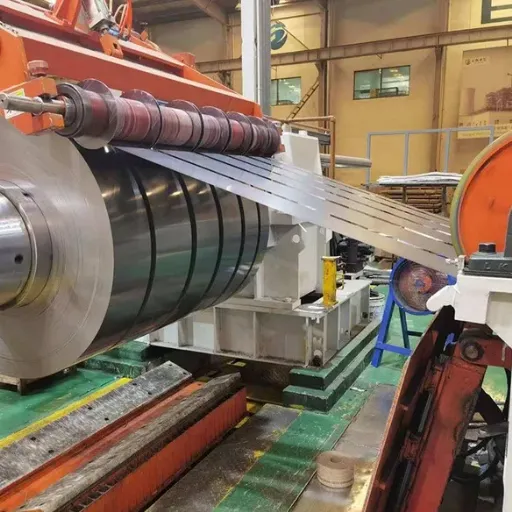
China is the world's largest steel producer. According to the World Steel Association, China accounts for more than half of global crude steel output. That scale creates real advantages for international buyers.
Competitive Pricing
Large production volumes, integrated supply chains, and access to raw materials keep Chinese steel prices competitive for many grades and forms. Buyers who import steel from China can often reduce material costs for construction, machinery, fabrication, and manufacturing projects.
Wide Product Range
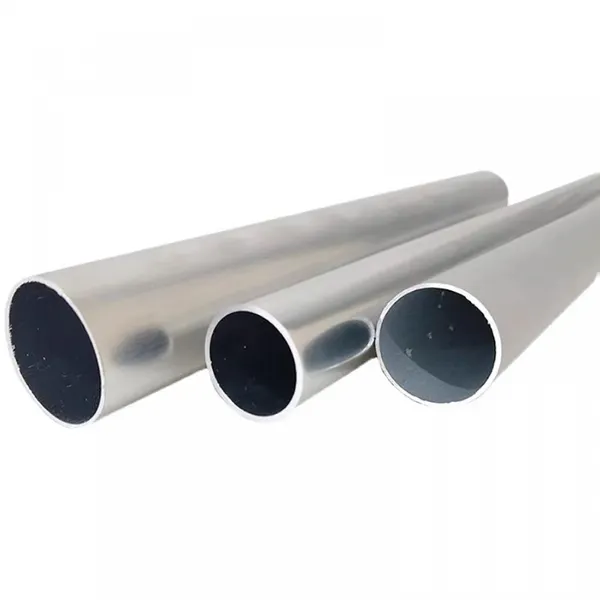
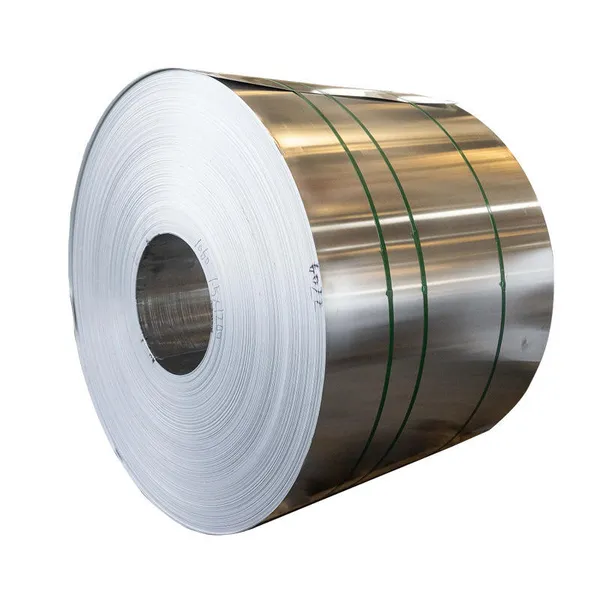
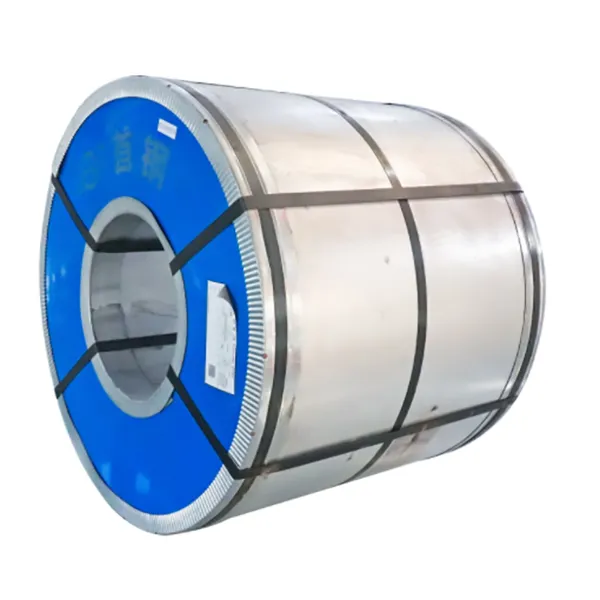
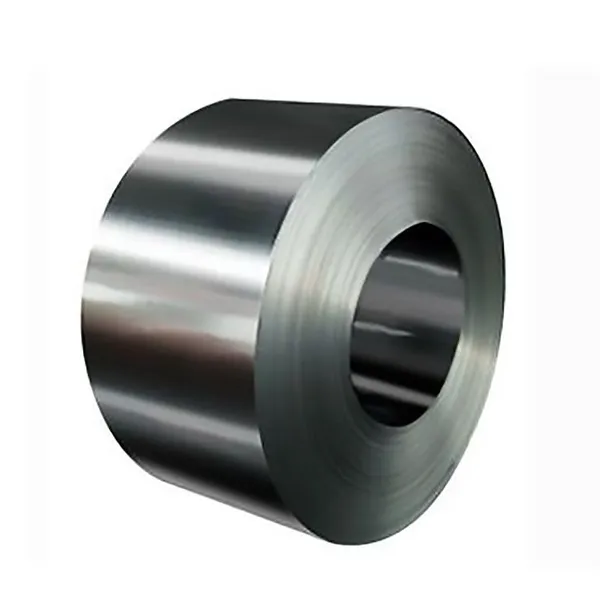
Chinese mills and distributors supply carbon steel, stainless steel, silicon steel, copper, aluminum, and specialty alloys. Product forms include coils, sheets, plates, pipes, bars, and custom-processed parts. This range lets buyers consolidate sourcing through fewer suppliers.
Processing Services
Many suppliers offer slitting, leveling, cutting, polishing, and surface finishing. This means materials can arrive closer to production-ready dimensions, reducing downstream handling and waste.
Export Experience
Established exporters understand international standards, documentation requirements, and shipping logistics. Working with an experienced partner reduces the learning curve for new importers.
What You Need Before You Import Steel From China
Preparation prevents most import problems. Before you contact suppliers, gather clear information about your requirements.
Define Your Specifications
Prepare a detailed specification sheet that includes:
Material grade, such as 304, 316L, Q235, or Q345
Product form, such as coil, sheet, plate, pipe, or bar
Dimensions, thickness, width, length, and tolerances
Surface finish, such as 2B, BA, hot rolled, or cold rolled
Quantity and acceptable weight tolerance
Required standards, such as ASTM, GB, JIS, or EN
Certification and testing requirements
The more specific you are, the easier it is to compare quotes and identify suppliers that can actually deliver.
Know Your Import Regulations
Every country has its own import rules for steel. Some require origin certificates, anti-dumping declarations, or additional duties on certain products. Research the HS codes, tariffs, and documentation requirements in your country before you order.
Set a Realistic Timeline
Steel imports from China typically take several weeks from order confirmation to arrival, depending on production, processing, shipping schedule, and customs clearance. Build buffer time into your project schedule.
How to Choose a Supplier When You Import Steel From China
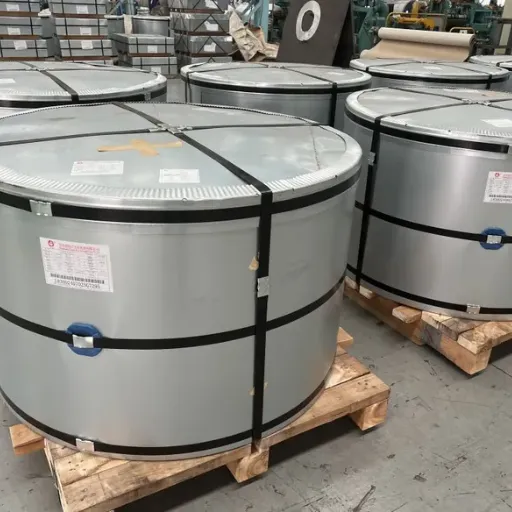
Not all suppliers are equally equipped to support international buyers. The right partner does more than offer a low price.
Look for Export Experience
Ask how many countries the supplier ships to and whether they have experience with your region. An experienced exporter will understand your documentation needs, packaging expectations, and shipping preferences.
Verify Mill Authorization
A steel mill authorized distributor can provide traceable mill test certificates and direct accountability. Ask for authorization certificates and verify them with the mill before placing an order.
Check Processing Capabilities
If you need custom sizes or finishes, confirm that the supplier has in-house processing or reliable processing partners. A supplier that only trades material may not be able to deliver processed products on time.
Request References
Ask for references from buyers in similar industries or regions. Real case studies are more useful than generic claims.
For a deeper look at supplier evaluation, see our guide on how to buy steel from China safely.
Documents You Need to Import Steel From China
Proper documentation is essential for customs clearance, quality verification, and payment protection. Before shipment, confirm that you will receive the following documents.
Commercial Invoice
The commercial invoice states the value, quantity, and description of the goods. It is used for customs valuation and duty calculation. Make sure the description matches the material and HS code.
Packing List
The packing list details how the material is packed, including weight, dimensions, number of packages, and marks. This helps with unloading, inspection, and customs checks.
Bill of Lading (B/L)
The bill of lading is the contract between the shipper and carrier. It serves as proof of shipment and title to the goods. Check that the consignee, notify party, and port details are correct.
Mill Test Certificate (MTC)
The MTC confirms the material grade, chemical composition, mechanical properties, heat number, and mill origin. Compare the heat number on the MTC with the marking on the material.
Certificate of Origin
A certificate of origin shows where the goods were produced. Some countries require this for tariff treatment or import quotas.
Quality Certifications
ISO 9001 or equivalent certifications show that the supplier follows documented quality processes. For critical applications, third-party inspection reports add extra assurance.
Understanding Incoterms When You Import Steel From China
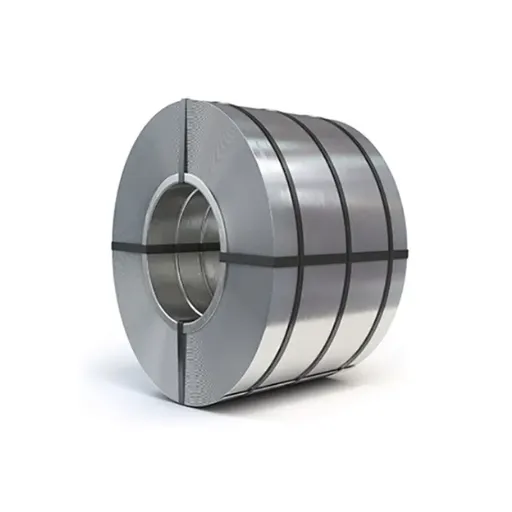
Incoterms define who is responsible for costs, risk, and logistics at each stage of the shipment. The most common terms for steel imports are explained by the International Chamber of Commerce.
| Incoterm | Supplier Responsibility | Buyer Responsibility | Best For |
|---|---|---|---|
| EXW | Makes goods available at their facility | All transport, export/import clearance, insurance | Experienced importers with own logistics |
| FOB | Delivers goods to port, clears export | Sea freight, insurance, import clearance | Buyers who want control over shipping |
| CIF | Pays freight and insurance to destination port | Import clearance, unloading, onward transport | Buyers who prefer supplier-managed shipping |
| DAP | Delivers to named destination | Import clearance, unloading | Buyers who want door-to-door service |
FOB and CIF are the most common for steel imports. FOB gives you more control over carrier selection. CIF simplifies coordination but may limit your choice of shipping line.
Shipping Methods for Steel Imports
The shipping method depends on volume, urgency, and budget.
Full Container Load (FCL)
FCL is the most common method for steel shipments. A 20-foot or 40-foot container holds coils, sheets, plates, or pipes. FCL reduces handling and lowers the risk of damage compared to shared containers.
Bulk or Breakbulk
For very large or heavy steel shipments, bulk or breakbulk shipping may be more economical. This method requires more coordination and longer port handling times.
Less Than Container Load (LCL)
LCL is an option for small orders, but steel products are heavy and bulky. LCL increases handling and may result in higher per-ton costs. For steel, FCL is usually preferred when possible.
Quality Control Before Shipment
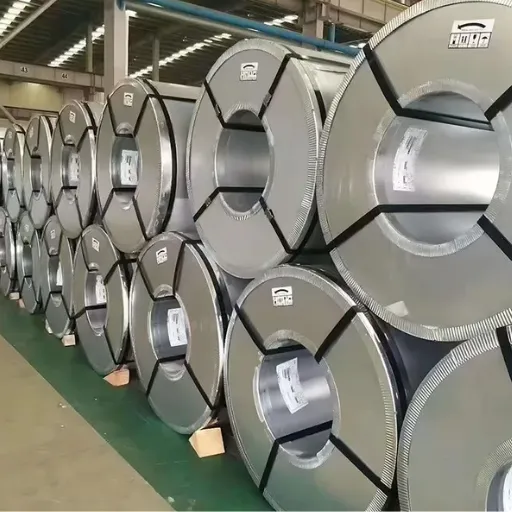
Quality control should happen before the material leaves China, not after it arrives at your facility.
Pre-Shipment Inspection
Arrange inspection before shipment to verify dimensions, surface quality, quantity, and marking. The inspection can be done by the supplier, a third-party agency, or your own representative.
MTC Verification
Compare the heat numbers on the MTC with the markings on the material. Confirm that the grade, standard, and chemical composition match your order.
Third-Party Inspection
For large or critical orders, hire an independent agency such as SGS, Bureau Veritas, or TUV. They can witness loading, verify packing, and take samples for testing.
Loading Supervision
Steel products can be damaged during loading. Supervision ensures proper lifting, blocking, and securing inside the container. Photos of the loaded container provide evidence if damage occurs.
For more on supplier verification, read our guide on how to verify a Chinese steel supplier.
Customs Clearance Tips for Steel Imports
Customs delays are expensive. Proper preparation reduces the risk.
Use the Correct HS Code
Steel products are classified by form, grade, and processing. The wrong HS code can trigger inspections, fines, or reclassification. Work with a customs broker to confirm the correct code.
Declare the Correct Value
Understating value to reduce duties is illegal and risky. Declare the actual transaction value, including product cost and any separately invoiced services.
Prepare for Inspections
Customs may inspect steel shipments for origin, classification, or anti-dumping compliance. Keep all documents organized and easy to access.
Understand Anti-Dumping Duties
Some countries impose anti-dumping duties on certain steel products from China. Check whether your product is affected before you calculate landed cost.
Common Mistakes When You Import Steel From China
Many import problems are preventable. Avoid these common mistakes.
Choosing a supplier based only on the lowest price
Skipping mill test certificate verification
Using the wrong Incoterm for your experience level
Failing to confirm HS codes and duties before ordering
Not arranging pre-shipment inspection
Accepting vague delivery timelines
Paying 100% in advance without documentation safeguards
Ignoring packaging and loading requirements
Not planning for customs clearance time
Working with trading companies that cannot prove mill origin
Wuxi Yansheng Technology: Your Partner to Import Steel From China
Wuxi Yansheng Technology Co., Ltd. is a Wuxi-based supplier that helps international buyers import steel from China with confidence. We are an authorized distributor for TISCO, Baosteel, JISCO, and Dongfang Special Steel, and we supply stainless steel, carbon steel, silicon steel, copper, and aluminum products to buyers worldwide.
Our location in the Yangtze River Delta gives us access to one of China's most mature steel supply chains. Our Xishan District processing center provides slitting, leveling, cutting, polishing, and surface finishing. We prepare full export documentation, arrange inspection support, and coordinate shipping to major global ports.
If you are looking for a reliable Chinese steel supplier to support your next import, request a quote. We will confirm grade availability, mill origin, processing options, and delivery schedule.
Frequently Asked Questions
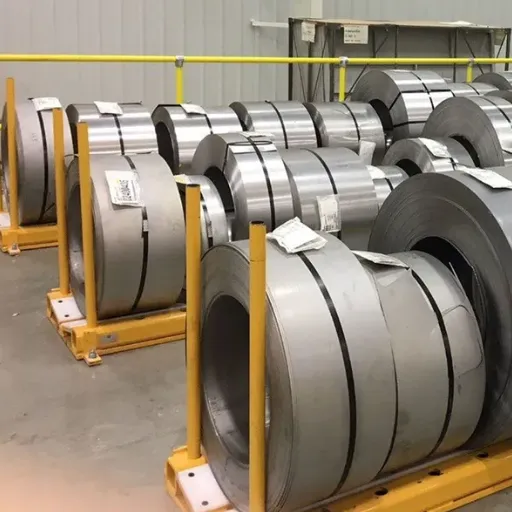
What do I need to import steel from China?
You need a clear material specification, a verified supplier, export and import documentation, a confirmed shipping method, and an understanding of customs requirements in your country.
How long does it take to import steel from China?
Typical lead time ranges from four to ten weeks, depending on production, processing, shipping schedule, and customs clearance.
What documents are required to import steel from China?
Common documents include the commercial invoice, packing list, bill of lading, mill test certificate, certificate of origin, and quality certifications.
What is the best Incoterm for importing steel from China?
FOB and CIF are the most common. FOB gives the buyer more control over shipping. CIF simplifies coordination by having the supplier arrange freight and insurance.
How do I verify a Chinese steel supplier?
Request business licenses, export licenses, mill authorization certificates, sample MTCs, and customer references. Verify mill authorization directly with the mill.
Can I import small quantities of steel from China?
Yes, but small orders may be more expensive per ton due to shipping and handling costs. Consolidating orders or choosing standard stock sizes can improve economics.
Do I need a customs broker to import steel?
A customs broker is highly recommended. Steel imports involve HS codes, duties, and documentation that vary by country. A broker reduces the risk of delays and penalties.
How do I avoid quality problems when importing steel?
Verify the supplier's authorization, request sample MTCs, arrange pre-shipment inspection, supervise loading, and compare heat numbers on arrival.
Conclusion: Import Steel From China With a Clear Plan
Importing steel from China can deliver real cost and supply advantages, but the process requires careful planning. The cheapest quote means nothing if the shipment is delayed, misclassified, or poorly documented.
Key takeaways:
Define your specifications clearly before contacting suppliers
Verify supplier credentials and mill authorization
Choose the right Incoterm for your logistics capability
Prepare all required export and import documents
Arrange pre-shipment inspection and loading supervision
Confirm HS codes, duties, and anti-dumping rules early
Use a customs broker to avoid clearance delays
Build long-term relationships with reliable suppliers
Wuxi Yansheng Technology helps global buyers import steel from China with full documentation, quality control, and logistics support. If you are ready to start your next import, request a quote with your specifications and destination port.
Recently Posted
-
Steel Mill Authorized Distributor: What It Means and Why It Matters
July 30, 2026A procurement manager in Poland received a quote for 50 tons of 304 stainless steel coil. The price was 12% lower than any other o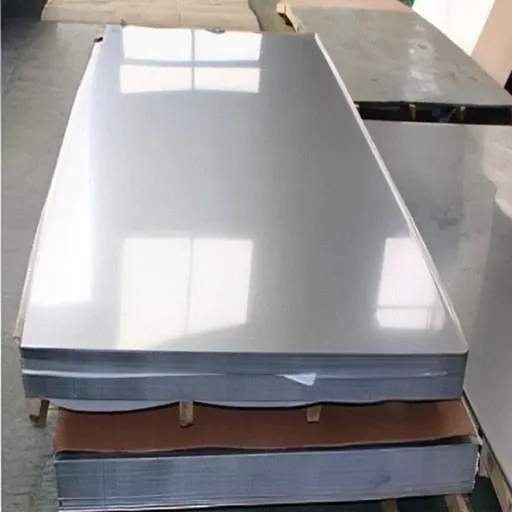 Read More
 -
China Stainless Steel Exporter: How to Source and Verify Grades
July 30, 2026A food processing equipment builder in Mexico needed 20 tons of 316L stainless steel sheet with a 2B finish. His local distributor Read More
 -
How to Find a Reliable Chinese Steel Supplier: A Buyer's Checklist
July 30, 2026In 2024, a German machinery manufacturer signed a contract with a Chinese steel supplier that promised 30% savings on 316L stainle Read More
 -
How to Source Steel from China: A Complete Buyer's Guide
July 30, 2026In 2023, a procurement director in Texas placed a 50-ton stainless steel order based on a quote that was 18% below market average. Read More

Contact Us
Recommended Products
-
 EN 1.4006 410 Round Bar 15-150mm Martensitic Annealed Steam Turbine Blade BlankUS$ 1.5 - 1.8MOQ: 100 Kilograms
 -
Gas Distribution Lines Require C12200 Hard Temper Copper Pipe With Corrosion ResistanceUS$ 10 - 25MOQ: 100 Kilograms
-
DIN 1.4541 Stainless Sheet 4mm Pickled Finish Pipeline Pressure System Industrial Fabrication MaterialUS$ 1.6 - 2.6MOQ: 100 Kilograms
-
EN X6CrNiTi18-10 Stainless Plate 5mm Heat Exchanger Corrosion Resistant Industrial Equipment UseUS$ 1.75 - 2.5MOQ: 100 Kilograms
-
Copper Bonded Ground Rod 14.2mm x 2400mm Steel Core Earth Rod ASTM Standard for Electrical Grounding SystemUS$ 5 - 25MOQ: 100 Kilograms
-
DIN 1.4307 Stainless Steel Plate 5mm Pickled Finish Chemical Reactor Pressure Vessel Fabrication UseUS$ 1.85 - 4.15MOQ: 100 Kilograms
-
ASTM A276 416 Free-Machining Round Bar Dia 8-60mm Sulfurized High-Speed Auto-ScrewUS$ 1.65 - 1.85MOQ: 100 Kilograms
-
Nickel Alloy Strip Coil Tube Mill Feedstock Inconel 625 Incoloy 825 Welded Tube Raw MaterialUS$ 20 - 70MOQ: 100 Kilograms
-
JIS SUS329J4L Duplex Round Bar 25-80mm Chloride-Proof GCC Coastal InfrastructureUS$ 5.9 - 6.4MOQ: 100 Kilograms
-
JIS SUS303Se Round Bar Dia 8-50mm Selenium-Free-Cutting Auto-Lathe Optical HousingUS$ 3.6 - 3.9MOQ: 100 Kilograms
-
ASTM A564 630 17-4PH Round Bar Dia 20-100mm Condition H1025 Injection Mould InsertUS$ 4.9 - 5.4MOQ: 100 Kilograms
-
ASTM A276 304 Square Bar 6x6-100x100mm Cold Drawn Pickled Weld Frame ConstructionUS$ 1.65 - 2.85MOQ: 100 Kilograms
-
EN X2CrTi12 Stainless Plate 4mm Oxidation Resistant Vehicle Exhaust Industrial Fabrication UseUS$ 0.95 - 2.5MOQ: 100 Kilograms
-
Aluminium Round Tube Baby Crib Cot Bed Frame 6063 T5 Anodized Safety Diameter Wall Thickness FurnitureUS$ 2 - 5MOQ: 100 Kilograms
-
Welded Stainless Steel C Channel Bar 304 Grade Polished Surface for Architectural Decoration UseUS$ 1.65 - 2.85MOQ: 100 Kilograms
-
Round Aluminum Tubing Painting Easel Stand Leg 6063 T5 Anodized Lightweight Diameter Wall ThicknessUS$ 2 - 5MOQ: 100 Kilograms
-
Nickel Alloy Coil Strip Forging Billet Raw Material Inconel 718 Waspaloy Disc Forging StockUS$ 20 - 70MOQ: 100 Kilograms
-
Water Pump Motor Core Grade Non Oriented Silicon Steel Coil 50W470 Width 1000mm ASTM A683 StandardUS$ 0.5 - 1.5MOQ: 500 Kilograms
-
GOES Steel for Railway Electrification Transformer Networks 23Q110 High Efficiency Magnetic LaminationUS$ 0.5 - 4.5MOQ: 500 Kilograms
-
Silicon Steel for Wind Energy Power Conversion Transformers 30QG105 EN 10106 GOES Strip MaterialUS$ 0.5 - 4.5MOQ: 500 Kilograms