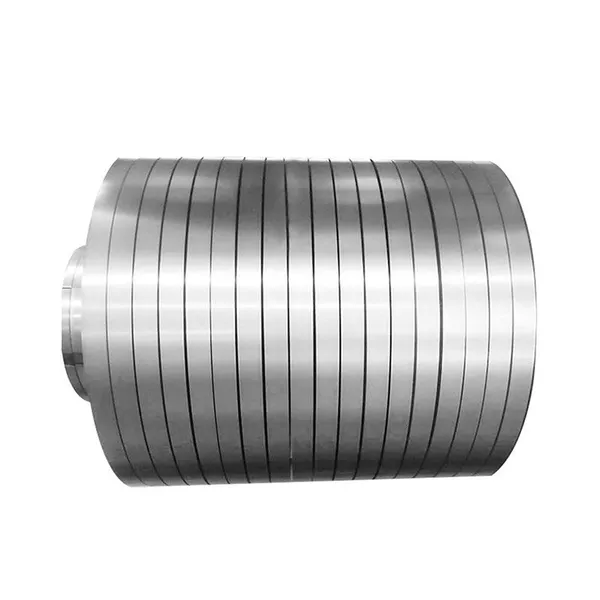

 Business License
Blog Categories

How to Source Steel from China: A Complete Buyer's Guide
In 2023, a procurement director in Texas placed a 50-ton stainless steel order based on a quote that was 18% below market average. The material arrived late, the mill test certificates did not match the heat numbers, and one-third of the coils failed dimensional inspection. The supplier was a trading company with no mill authorization. The "savings" turned into a six-week production delay and a complete reorder.
Stories like this are why many buyers are cautious when they first decide to source steel from China. The risks are real, but they are also manageable. With the right preparation, supplier evaluation, and quality controls, you can build a reliable supply chain that delivers certified materials at competitive prices.
At Wuxi Yansheng Technology Co., Ltd., we work with international buyers every day who need mill-direct steel, stainless steel, carbon steel, silicon steel, copper, and aluminum. In this guide, we explain how to source steel from China step by step, from defining your requirements to managing logistics and long-term quality.
Why Buyers Choose to Source Steel from China
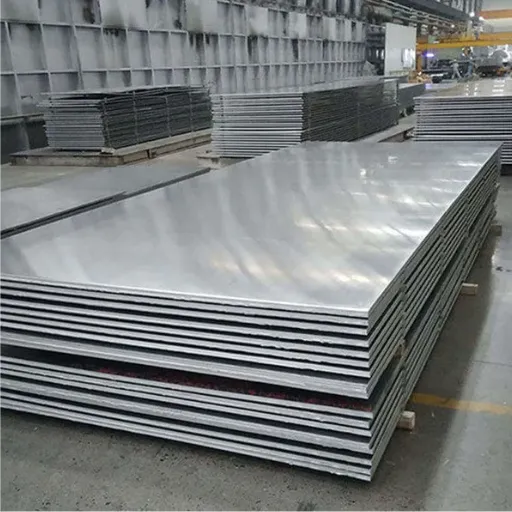
China is the world's largest steel producer. According to the World Steel Association, Chinese crude steel output regularly accounts for more than half of global production. For international buyers, this scale creates several advantages.
Competitive Pricing and Scale
Large integrated mills and a mature supplier ecosystem keep base prices competitive. Buyers can often access lower material costs than from domestic or regional suppliers, especially for standard carbon steel, stainless steel coils, and silicon steel.
Wide Product Availability
When you source steel from China, you can find almost any grade, form, and finish. Common options include:
Carbon steel plates, coils, and pipes (Q235, Q345, hot rolled, cold rolled)
Stainless steel coils, sheets, and pipes (304, 316, 316L, 2B, BA, EP)
Silicon steel and electrical steel for transformers and motors
Copper, aluminum, and specialty alloys
Custom-processed sizes and surface finishes
Integrated Processing and Export Infrastructure
Many Chinese steel suppliers offer slitting, leveling, cutting, polishing, and surface treatment. Major logistics hubs such as Wuxi, Shanghai, and Tianjin provide fast access to ports, warehousing, and export documentation services.
Want to understand the regional supply chain behind Chinese steel exports? Read our guide to the Yangtze River Delta steel hub.
Step 1: Define Your Material Requirements Before You Source Steel from China
The most common cause of sourcing problems is an incomplete specification. Before contacting any Chinese steel supplier, prepare a detailed requirement sheet. The more precise you are, the easier it is to compare quotes and avoid misunderstandings.
What to Include in Your Specification
Material grade: e. g., 304, 316L, Q235, Q345, 50W470 silicon steel
Product form: coil, sheet, plate, pipe, bar, or custom part
Dimensions and tolerances: thickness, width, length, OD/ID for pipe
Surface finish: 2B, BA, EP, hot rolled, cold rolled, polished, hairline
Quantity and delivery schedule: one-time order or recurring supply
Required standards: ASTM, GB, JIS, EN, or customer-specific specs
Certification and testing: mill test certificate, third-party inspection, chemical analysis
Match Requirements to Application
A pressure vessel fabricator needs certified plates with traceable heat numbers. A machinery manufacturer may need slit coils with tight width tolerance. A solar equipment supplier may need silicon steel with specific core loss values. When you source steel from China, your specification is your quality contract.
"In early 2024, Maria, a buyer for a Brazilian equipment manufacturer, sent the same brief to five Chinese suppliers. Only three asked follow-up questions about tolerance and surface finish. She immediately removed the two that did not. The remaining suppliers provided accurate quotes, and the one she chose delivered coils that fit her stamping dies without rework. Her rule now: a supplier who does not ask detailed questions is not ready for her business."
Step 2: Identify the Right Type of Chinese Steel Supplier
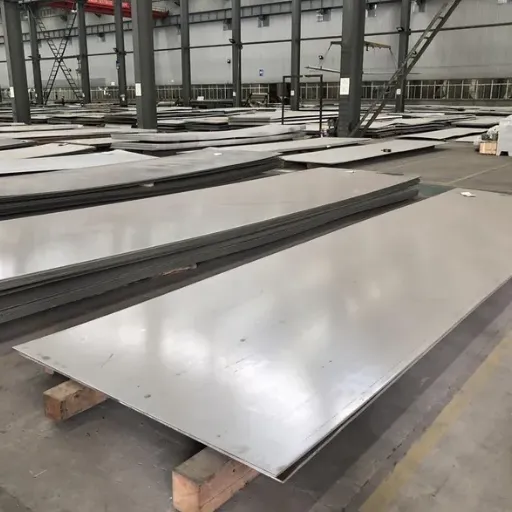
Not all suppliers operate the same way. Understanding the difference between mills, authorized distributors, and trading companies helps you match your needs to the right partner.
Steel Mills
Mills produce steel directly. They offer the lowest base prices but usually require large minimum order quantities. Lead times for non-standard sizes can be longer. Mills are best for high-volume buyers with stable, recurring demand.
Authorized Distributors
Authorized distributors purchase directly from mills and hold inventory. They offer several advantages when you source steel from China:
Smaller minimum order quantities than mills
Faster lead times for stock items
Value-added processing such as slitting and cutting
Mill-authorized documentation and traceability
More flexible sizes and delivery schedules
Trading Companies
Trading companies source from multiple mills and distributors. They offer wide product ranges but vary significantly in quality control and documentation. Some are reliable; others act as intermediaries with limited accountability. Verify credentials carefully before placing large orders.
For most international buyers, an authorized distributor offers the best balance of price, reliability, and flexibility. At Wuxi Yansheng Technology, we operate as an authorized distributor of TISCO, Baosteel, JISCO, and Dongfang Special Steel, with in-house processing and export support.
Step 3: Verify Supplier Credentials and Mill Authorization
A credible Chinese steel supplier should be able to provide clear documentation. Request these items early in the process:
Business license and registration documents
Mill authorization certificates for the grades you need
Sample mill test certificates (MTC)
Quality management certifications such as ISO 9001
Export license and customs records
Customer references or case studies
Cross-Check Mill Authorization
Make sure the mill named on the authorization certificate matches the mill named on the MTC. This is one of the most important checks when you source steel from China. A supplier claiming to represent Baosteel or TISCO should be able to show a current authorization letter.
Evaluate Communication and Technical Understanding
A reliable supplier should respond promptly, ask clarifying questions, and explain material options in technical terms. Poor communication early in the process often signals problems later.
Step 4: Evaluate Quality and Documentation
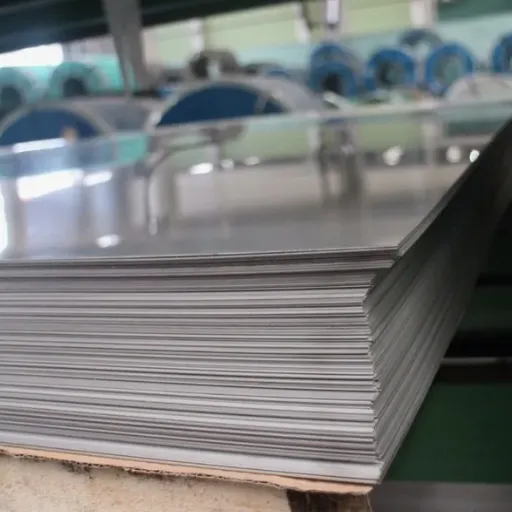
Quality verification is the difference between a successful order and an expensive mistake. When you source steel from China, never skip documentation review.
Request Samples and Mill Test Certificates
Before placing a large order, request material samples and review the MTC. A proper MTC should include:
Heat number for traceability
Chemical composition
Mechanical test results
Mill name and production date
Grade and standard compliance
Arrange Third-Party Inspection
For critical applications, arrange inspection by an independent agency such as SGS, Bureau Veritas, or TUV. Third-party inspectors can verify dimensions, surface quality, packaging, and loading. This adds cost but provides strong protection against substandard material.
Understand China Steel Supplier Quality Control Practices
Ask about the supplier's internal inspection process. Do they check surface finish, flatness, edge condition, and dimensions before shipment? Do they have procedures for handling non-conforming material? A supplier with documented quality assurance processes is easier to trust.
"When Ahmed, a procurement manager for a Dubai-based construction company, ordered 80 tons of carbon steel plate in 2024, he requested third-party inspection before shipment. The inspector found thickness variation outside the agreed tolerance on two plates. Because the issue was caught before loading, the supplier replaced the plates within five days. Ahmed's project stayed on schedule, and he added third-party inspection to every future order."
Step 5: Negotiate Terms and Understand Logistics
Price matters, but terms and logistics determine whether your order arrives on time and intact.
Common Incoterms for Steel Exports from China
FOB (Free On Board): The supplier delivers the goods to the port and loads them onto the vessel. You pay freight and insurance after loading.
CIF (Cost, Insurance, Freight): The supplier pays freight and insurance to your destination port.
EXW (Ex Works): You handle all transportation from the supplier's facility.
Discuss Incoterms clearly before order confirmation. Each option affects your cost, risk, and coordination workload.
Packaging and Loading
Steel products are heavy and bulky. Proper packing prevents damage during transit. Confirm whether materials will be bundled, crated, or shipped on pallets. For coils and sheets, confirm loading methods and weight limits per container.
Documentation Requirements
Make sure the supplier can provide all documents your customs authority requires. Common documents include:
Commercial invoice
Packing list
Bill of lading
Mill test certificate
Certificate of origin
Customs declaration
At Wuxi Yansheng Technology, our logistics team coordinates export packing, documentation, and shipping from Wuxi to ports worldwide.
Ready to buy steel from China with full export support? Request a quote and our team will provide pricing, lead times, and documentation details.
Step 6: Build a Long-Term Partnership
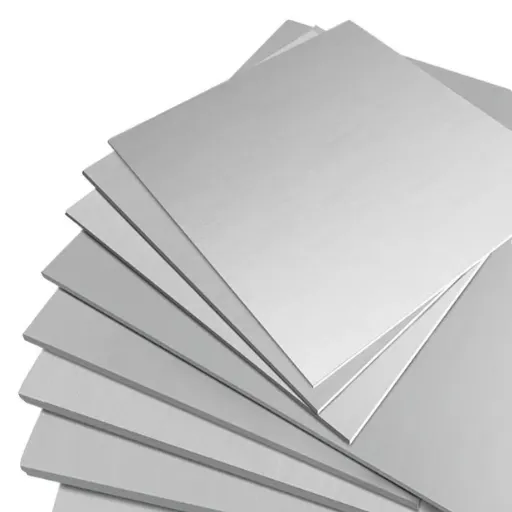
The best way to reduce risk when you source steel from China is to build a long-term relationship with a reliable supplier.
Benefits of Long-Term Sourcing Partnerships
Consistent material quality over time
Better pricing for recurring orders
Priority scheduling during peak demand
Faster response to custom requirements
Improved communication and trust
Start with a Trial Order
A trial order lets you verify quality, packaging, documentation, and delivery before committing to larger volumes. Many buyers start with a 20-foot container or a small batch to test a supplier's performance.
Maintain Clear Records
Keep records of specifications, MTCs, inspection reports, and correspondence. These documents help resolve disputes and simplify future orders.
Common Mistakes to Avoid When You Source Steel from China
Even experienced buyers make mistakes. Avoid these common pitfalls:
Choosing on price alone: The lowest quote may come from a trader without quality control.
Skipping MTC verification: Always check that certificates match the material and heat number.
Failing to specify tolerances: Unclear dimensional requirements lead to rejected material.
Ignoring Incoterms: Misunderstood shipping terms can create unexpected costs.
Working without a trial order: A small first order reveals more than a long email exchange.
Neglecting long-term relationship building: One-off orders rarely deliver the same reliability as partnerships.
Conclusion
To source steel from China successfully, you need more than a low price. You need clear specifications, a verified supplier, strong quality controls, and well-managed logistics. The buyers who get the best results treat sourcing as a partnership, not a transaction.
By following the steps in this guide, you can reduce risk, avoid common mistakes, and build a supply chain that delivers certified materials on time. Whether you need carbon steel, stainless steel, silicon steel, copper, or aluminum, the right Chinese supplier can become a long-term material partner.
At Wuxi Yansheng Technology, we help global buyers source certified steel and metal materials from China. Our authorized mill distribution, Wuxi processing center, and export logistics support are designed to make international sourcing simpler and more reliable.
Recently Posted
-
Wear-Resistant Steel Plates for Mining Equipment: Chute Liners, Crusher Wear Parts & Excavator Bucke
September 14, 2026A copper mine in South America was replacing the liners in its primary transfer chute every ten weeks. Each liner set weighed roug Read More
 -
Wear-Resistant Steel Plates: AR400, AR500, NM400, NM500 — Hardness & Service Life
September 14, 2026A quarry operator in Southeast Asia was replacing chute liners every six to eight weeks. The liners were cut from ordinary structu Read More
 -
AR400 vs AR500 vs NM500 Wear Plate: Hardness, Impact Toughness & Abrasion Resistance Trade-offs
September 14, 2026An equipment builder in South America standardized its truck bed liners on 500-grade wear plate because the harder material lasted Read More
 -
Wear-Resistant Steel Plate Sourcing: Hardness Verification, Microstructure Check & Import Compliance
September 14, 2026A distributor in the Middle East purchased 80 tons of plate described on the offer sheet as 500-grade wear-resistant steel. The pr Read More

Contact Us
Recommended Products
-
 EN 1.4006 410 Round Bar 15-150mm Martensitic Annealed Steam Turbine Blade BlankUS$ 1.5 - 1.8MOQ: 100 Kilograms
 -
Gas Distribution Lines Require C12200 Hard Temper Copper Pipe With Corrosion ResistanceUS$ 10 - 25MOQ: 100 Kilograms
-
DIN 1.4541 Stainless Sheet 4mm Pickled Finish Pipeline Pressure System Industrial Fabrication MaterialUS$ 1.6 - 2.6MOQ: 100 Kilograms
-
EN X6CrNiTi18-10 Stainless Plate 5mm Heat Exchanger Corrosion Resistant Industrial Equipment UseUS$ 1.75 - 2.5MOQ: 100 Kilograms
-
Copper Bonded Ground Rod 14.2mm x 2400mm Steel Core Earth Rod ASTM Standard for Electrical Grounding SystemUS$ 5 - 25MOQ: 100 Kilograms
-
DIN 1.4307 Stainless Steel Plate 5mm Pickled Finish Chemical Reactor Pressure Vessel Fabrication UseUS$ 1.85 - 4.15MOQ: 100 Kilograms
-
ASTM A276 416 Free-Machining Round Bar Dia 8-60mm Sulfurized High-Speed Auto-ScrewUS$ 1.65 - 1.85MOQ: 100 Kilograms
-
Nickel Alloy Strip Coil Tube Mill Feedstock Inconel 625 Incoloy 825 Welded Tube Raw MaterialUS$ 20 - 70MOQ: 100 Kilograms
-
JIS SUS329J4L Duplex Round Bar 25-80mm Chloride-Proof GCC Coastal InfrastructureUS$ 5.9 - 6.4MOQ: 100 Kilograms
-
JIS SUS303Se Round Bar Dia 8-50mm Selenium-Free-Cutting Auto-Lathe Optical HousingUS$ 3.6 - 3.9MOQ: 100 Kilograms
-
ASTM A564 630 17-4PH Round Bar Dia 20-100mm Condition H1025 Injection Mould InsertUS$ 4.9 - 5.4MOQ: 100 Kilograms
-
ASTM A276 304 Square Bar 6x6-100x100mm Cold Drawn Pickled Weld Frame ConstructionUS$ 1.65 - 2.85MOQ: 100 Kilograms
-
EN X2CrTi12 Stainless Plate 4mm Oxidation Resistant Vehicle Exhaust Industrial Fabrication UseUS$ 0.95 - 2.5MOQ: 100 Kilograms
-
Aluminium Round Tube Baby Crib Cot Bed Frame 6063 T5 Anodized Safety Diameter Wall Thickness FurnitureUS$ 2 - 5MOQ: 100 Kilograms
-
Welded Stainless Steel C Channel Bar 304 Grade Polished Surface for Architectural Decoration UseUS$ 1.65 - 2.85MOQ: 100 Kilograms
-
Round Aluminum Tubing Painting Easel Stand Leg 6063 T5 Anodized Lightweight Diameter Wall ThicknessUS$ 2 - 5MOQ: 100 Kilograms
-
Nickel Alloy Coil Strip Forging Billet Raw Material Inconel 718 Waspaloy Disc Forging StockUS$ 20 - 70MOQ: 100 Kilograms
-
Water Pump Motor Core Grade Non Oriented Silicon Steel Coil 50W470 Width 1000mm ASTM A683 StandardUS$ 0.5 - 1.5MOQ: 500 Kilograms
-
GOES Steel for Railway Electrification Transformer Networks 23Q110 High Efficiency Magnetic LaminationUS$ 0.5 - 4.5MOQ: 500 Kilograms
-
Silicon Steel for Wind Energy Power Conversion Transformers 30QG105 EN 10106 GOES Strip MaterialUS$ 0.5 - 4.5MOQ: 500 Kilograms