
 Business License

Yangtze River Delta Steel Hub: Why Global Buyers Source Steel from Wuxi
Every year, more than one billion tons of steel leave Chinese mills and processing centers, and a significant share of that volume flows through one region in particular: the Yangtze River Delta. This region is not just a production zone. It is a dense, integrated steel supply network where mills, distributors, processors, ports, and logistics providers sit within a few hours of one another. For international buyers, that proximity translates into faster lead times, more grade options, and lower sourcing risk.
At Wuxi Yansheng Technology Co., Ltd., we operate from the heart of this network. In this guide, we explain why the Yangtze River Delta steel hub matters for your procurement strategy, what makes Wuxi a key distribution point, and how to evaluate suppliers in this region.
What Makes the Yangtze River Delta a Global Steel Hub
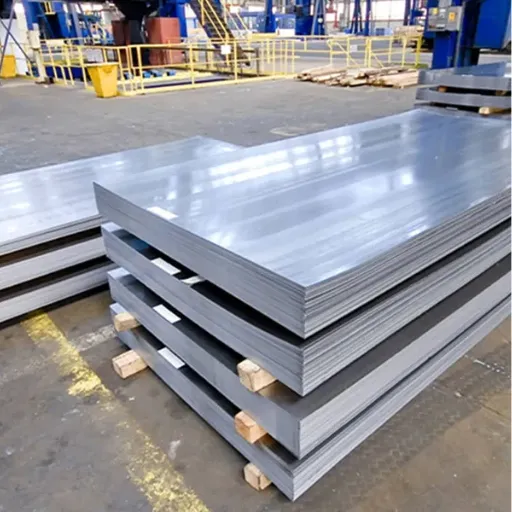
The Yangtze River Delta is one of China's most economically developed and industrially dense regions. It covers Shanghai, southern Jiangsu province, and northern Zhejiang province. Within this area, major steel mills, thousands of processing centers, and deep-water ports operate as a single ecosystem. Several factors make it the dominant steel hub in China.
Concentration of Steel Production and Distribution
China produces roughly half of the world's crude steel, and a large portion of that capacity sits in the eastern coastal provinces. The Yangtze River Delta combines steel production with massive downstream distribution. Mills in Jiangsu, Shanghai, and nearby Anhui produce flat-rolled steel, stainless steel, silicon steel, and specialty products. Around them, thousands of distributors hold inventory, cut to size, and prepare materials for export.
This concentration means buyers can find almost any grade, finish, and dimension within the region. Carbon steel plates, stainless steel coils, electrical steel, and non-ferrous metals like copper and aluminum are all readily available.
Deep-Sea Ports and Inland Waterway Access
The region's logistics advantage is hard to match. Shanghai port is one of the busiest container ports in the world. Ningbo-Zhoushan and nearby ports handle bulk steel shipments daily. In addition, the Yangtze River waterway connects inland mills to coastal ports, allowing steel to move by barge rather than truck. This lowers cost and reduces congestion for large-volume shipments.
Integrated Processing Ecosystem
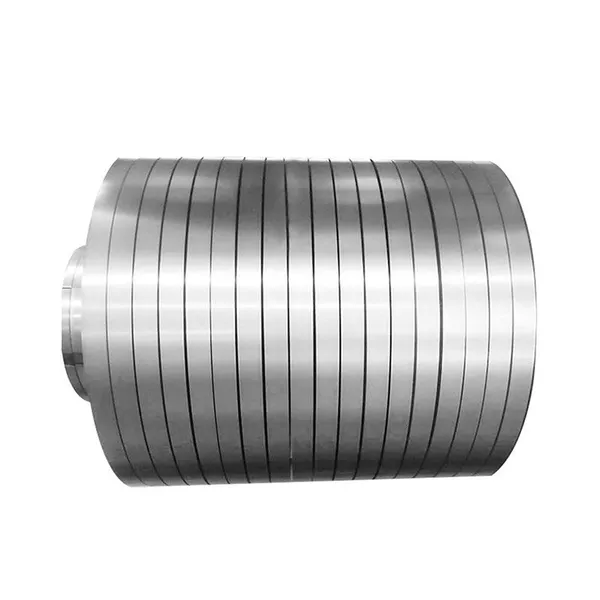
Steel rarely leaves a mill in its final form. Most buyers need slit coils, leveled sheets, cut plates, polished surfaces, or machined edges. The Yangtze River Delta steel hub has built an entire service layer around this need. Processing centers of every size specialize in slitting, leveling, polishing, cutting, and surface treatment. This lets buyers order materials closer to production-ready condition, reducing downstream handling.
Wuxi's Central Role in the Yangtze River Delta Steel Hub
If the Yangtze River Delta is the engine, Wuxi is one of its most active distribution terminals. Located in southern Jiangsu, roughly 120 kilometers west of Shanghai, Wuxi has become one of China's largest steel trading and processing centers.
"When Elena, a procurement manager for a German machinery manufacturer, first visited Wuxi in 2019, she was surprised by the scale. Within a 10-kilometer radius of her hotel, she counted more than 50 steel warehouses and processing centers. Her previous supplier had sourced materials from a single trading office in another province. Switching to a Wuxi-based supplier gave her access to live inventory, same-day sample cutting, and a choice of mill origins she had never had before. Within two years, her lead times from China dropped from 12 weeks to 7 weeks."
Wuxi's strength comes from its location and history. The city sits at the intersection of the Beijing-Shanghai high-speed rail, the Shanghai-Nanjing expressway, and the Grand Canal. It has long served as a distribution point for northern Jiangsu steel production and southern Shanghai trade. Today, it is home to one of the highest densities of stainless steel and carbon steel stockists in China.
Why Wuxi Matters for International Buyers
For buyers outside China, Wuxi offers several practical advantages:
Large inventory: Wuxi warehouses carry stock of common grades and sizes, reducing wait times for standard materials.
Processing options: Local centers offer slitting, leveling, cutting, polishing, and surface treatment.
Mill access: Authorized distributors in Wuxi maintain direct relationships with TISCO, Baosteel, JISCO, and Dongfang Special Steel.
Export infrastructure: Materials can move quickly to Shanghai port for container or bulk shipment.
Technical support: Many Wuxi suppliers have experience with international standards and documentation.
At Wuxi Yansheng Technology, our 10,000-square-meter processing center in Xishan District supports slitting, leveling, polishing, and cutting alongside our mill-direct supply chain.
Why Buyers Source Steel from the Yangtze River Delta Steel Hub
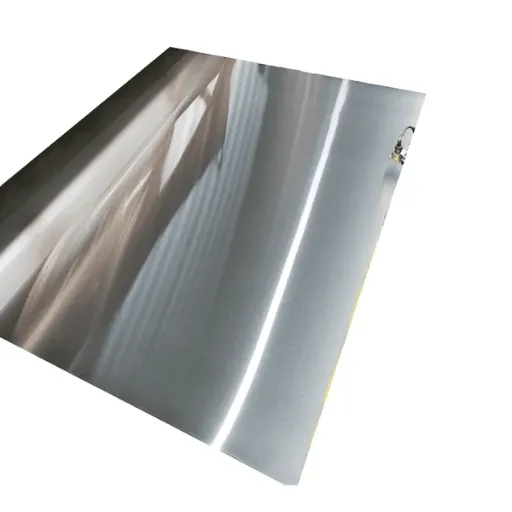
International buyers choose the Yangtze River Delta steel hub for reasons that go beyond price. The region delivers competitive costs, but it also solves practical problems that buyers face when sourcing from China.
Stable Supply and Diverse Inventory
Because the region holds inventory from multiple mills, buyers are less dependent on a single production schedule. If one mill has a maintenance shutdown or allocation limit, distributors can often source from another. This flexibility is valuable for manufacturers with recurring production schedules.
Access to Specialty and High-Grade Materials
The Yangtze River Delta is not only a market for standard carbon steel. It also trades large volumes of stainless steel, silicon steel, electrical steel, copper, and aluminum. Buyers in energy, automotive, electronics, and food processing can find grades suited to their applications. For example, transformer manufacturers can source grain-oriented silicon steel, while pharmaceutical equipment makers can find 316L stainless steel with BA or EP finish.
Competitive Pricing Through Scale
High volumes and tight competition keep prices transparent. Buyers can compare quotes from multiple suppliers and mills without leaving the region. However, the lowest quote is not always the best. The real value comes from combining price with quality assurance, processing capability, and export support.
Want to see how Wuxi-based sourcing works in practice? Learn about our mill partnerships and authorized distribution.
Logistics and Export Advantages of the Yangtze River Delta Steel Hub
Logistics often determine whether a steel order arrives on time. The Yangtze River Delta steel hub has invested heavily in transportation infrastructure, giving buyers several options for moving goods.
Road, Rail, and River Connectivity
Materials can move from Wuxi to Shanghai port by truck in under two hours. High-speed rail connects Wuxi to Shanghai, Nanjing, and Hangzhou, making business travel and local coordination efficient. For large volumes, barge transport along the Yangtze River offers lower-cost movement to the coast. This multimodal network reduces bottlenecks and gives suppliers flexibility in planning shipments.
Export Packing and Documentation
Experienced suppliers in the region understand export requirements. They prepare steel for sea freight with proper packing, loading, and documentation. Common Incoterms include FOB, CIF, and EXW. A well-prepared supplier can also provide mill test certificates, packing lists, customs declarations, and certificates of origin.
Warehousing and Just-in-Time Support
Many Wuxi distributors operate 24/7 warehousing. This supports just-in-time delivery schedules and helps international buyers avoid carrying large inventories at their own facilities. For recurring orders, suppliers can hold stock and release it according to the buyer's production plan.
At Wuxi Yansheng Technology, our logistics and export support team coordinates packing, documentation, and shipping from Wuxi to ports worldwide.
Quality and Certification: What to Verify in the Yangtze River Delta Steel Hub
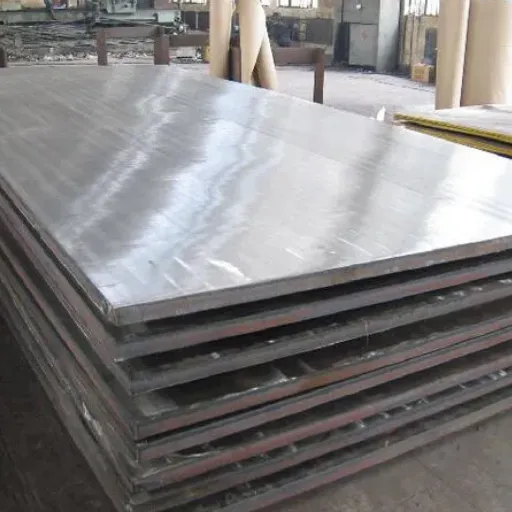
Not every supplier in the region offers the same level of quality assurance. Buyers should verify certification, traceability, and inspection processes before placing large orders.
Mill Authorization and Certificates
A credible supplier should be able to show mill authorization certificates from partner mills. These documents prove that the supplier is authorized to sell products under the mill's name. The mill test certificate (MTC) should match the supplier's authorization and include the heat number, chemical composition, and mechanical properties.
Third-Party Inspection Support
For critical applications, buyers may want independent inspection by agencies such as SGS, BV, or TUV. Many Wuxi suppliers can coordinate third-party testing at the warehouse or mill before shipment. This adds cost but provides strong protection against grade substitution or dimensional issues.
Surface and Dimensional Inspection
Before shipping, the supplier should inspect materials for surface defects, flatness, edge condition, and dimensional tolerance. For stainless steel, surface finish verification is especially important. A BA or EP finish should be checked against the agreed specification.
"In 2023, a Brazilian pressure vessel fabricator named Carlos ordered 30 tons of 316L stainless steel plate from a Wuxi supplier. The initial samples looked acceptable, but the mill test certificate did not include the full mechanical test results. His quality team requested a third-party re-test before shipment. The re-test revealed that the yield strength was below project requirements. Because the supplier had stock from multiple mills, they were able to switch the order to a certified heat within one week. The lesson was clear: documentation and independent verification matter as much as price in the Yangtze River Delta steel hub."
How to Choose a Steel Supplier in the Yangtze River Delta Steel Hub
Selecting the right supplier from hundreds of options in the region requires a structured approach. Here are the key factors to evaluate.
1. Verify Business Credentials and Mill Authorization
Request the supplier's business license, export license, and mill authorization certificates. Check that the mill named on the authorization matches the mill on the mill test certificate. Authorized distributors generally offer more reliable traceability than secondary traders.
2. Evaluate Processing Capabilities
If your order requires slitting, leveling, cutting, polishing, or other processing, ask for details about the supplier's equipment and tolerances. A supplier with in-house processing can control quality and schedule better than one that outsources every step.
3. Ask for Samples and Reference Cases
Request material samples for surface finish and dimensional checks. Ask for reference cases from buyers in similar industries. A supplier with export experience in your sector will understand your documentation and quality expectations.
4. Clarify Incoterms and Logistics Responsibilities
Discuss who is responsible for packing, inland transport, customs clearance, and ocean freight. Confirm the estimated lead time from order confirmation to port departure. Make sure the supplier can provide the export documents your customs authority requires.
5. Assess Communication and Technical Support
Clear communication reduces errors. Evaluate how quickly the supplier responds, whether they understand your specifications, and whether they can explain material options in technical terms. A good supplier acts as a partner, not just a vendor.
Ready to source steel from the Yangtze River Delta steel hub? Request a quote and our team will provide pricing, lead times, and certification details.
Common Mistakes to Avoid When Sourcing in the Yangtze River Delta Steel Hub
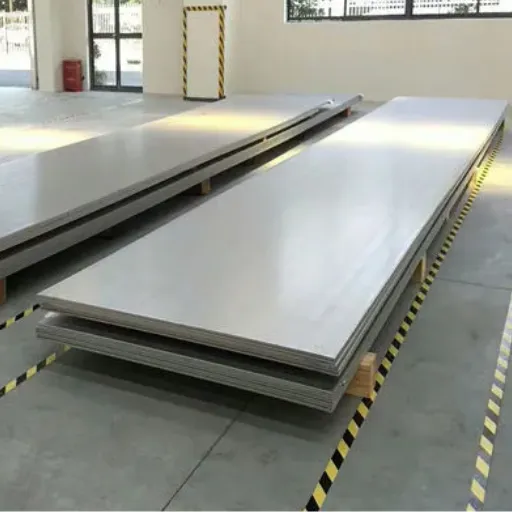
Even experienced buyers can make mistakes when sourcing in such a large and fast-moving market. Avoid these common pitfalls.
Choosing on price alone: The lowest quote may come from a trader without mill authorization or quality control.
Skipping documentation review: Always verify that certificates match the material, heat number, and standard.
Ignoring processing tolerances: Specify flatness, edge condition, and dimensional tolerances clearly.
Underestimating logistics: Confirm packing, loading, and Incoterms before order confirmation.
Failing to build a relationship: Long-term partnerships improve priority scheduling, pricing, and quality consistency.
Conclusion
The Yangtze River Delta steel hub is one of the world's most important steel supply networks. Its combination of mill production, distribution centers, processing capabilities, and export infrastructure makes it a natural choice for international buyers. Wuxi, at the center of this region, offers buyers access to large inventory, in-house processing, and efficient logistics.
However, the strength of the region also means buyers must choose suppliers carefully. The best suppliers combine mill authorization, quality documentation, processing capability, and export experience. Price matters, but reliability and traceability protect your projects over the long term.
At Wuxi Yansheng Technology, we help global buyers source certified stainless steel, carbon steel, silicon steel, copper, and aluminum from the Yangtze River Delta steel hub. Our authorized mill distribution, in-house processing, and Wuxi logistics support are designed to reduce risk and keep your supply chain moving.
Get started with a reliable Wuxi steel supplier. Contact our team for a quote, material samples, or technical guidance on your next project.
Recently Posted
-
Import Steel From China: A Complete Buyer's Guide
July 30, 2026A manufacturing buyer in Germany found a Chinese supplier offering carbon steel plate at an attractive price. The quote looked com Read More
 -
Steel Mill Authorized Distributor: What It Means and Why It Matters
July 30, 2026A procurement manager in Poland received a quote for 50 tons of 304 stainless steel coil. The price was 12% lower than any other o Read More
 -
China Stainless Steel Exporter: How to Source and Verify Grades
July 30, 2026A food processing equipment builder in Mexico needed 20 tons of 316L stainless steel sheet with a 2B finish. His local distributor Read More
 -
How to Find a Reliable Chinese Steel Supplier: A Buyer's Checklist
July 30, 2026In 2024, a German machinery manufacturer signed a contract with a Chinese steel supplier that promised 30% savings on 316L stainle Read More

Contact Us
Recommended Products
-
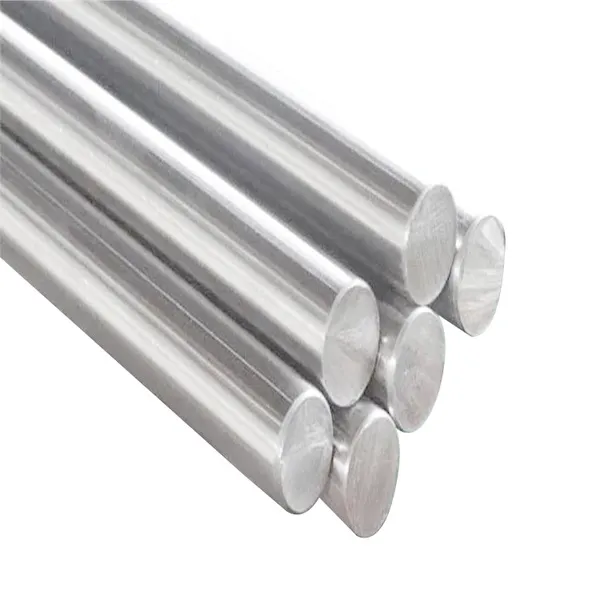
 EN 1.4006 410 Round Bar 15-150mm Martensitic Annealed Steam Turbine Blade BlankUS$ 1.5 - 1.8MOQ: 100 Kilograms
 -
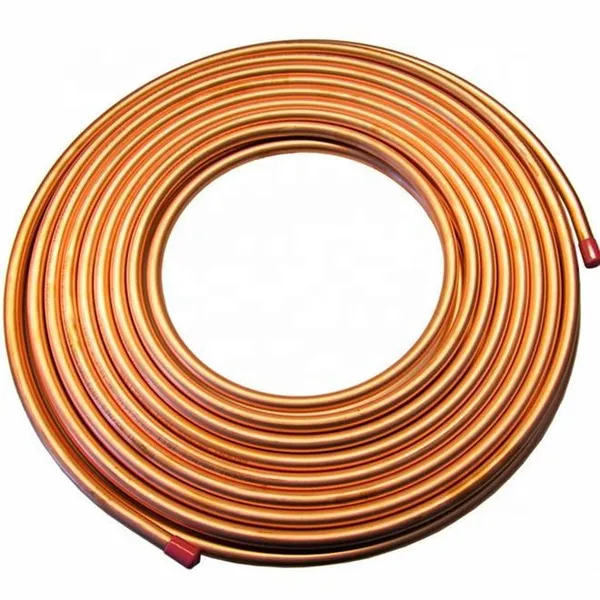
Gas Distribution Lines Require C12200 Hard Temper Copper Pipe With Corrosion ResistanceUS$ 10 - 25MOQ: 100 Kilograms
-
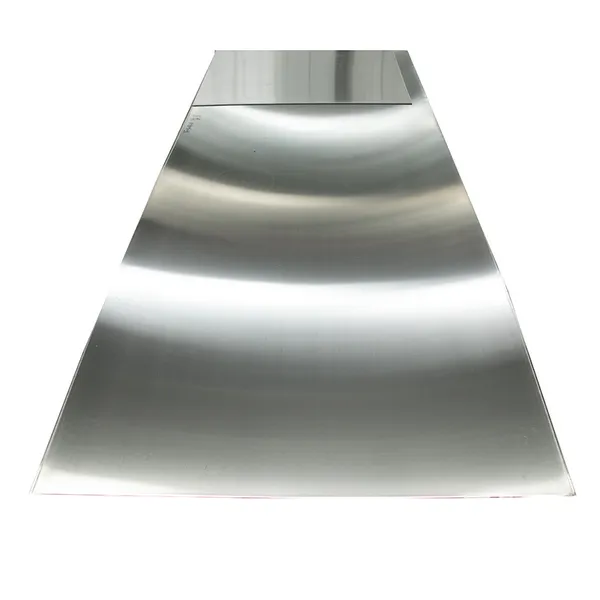
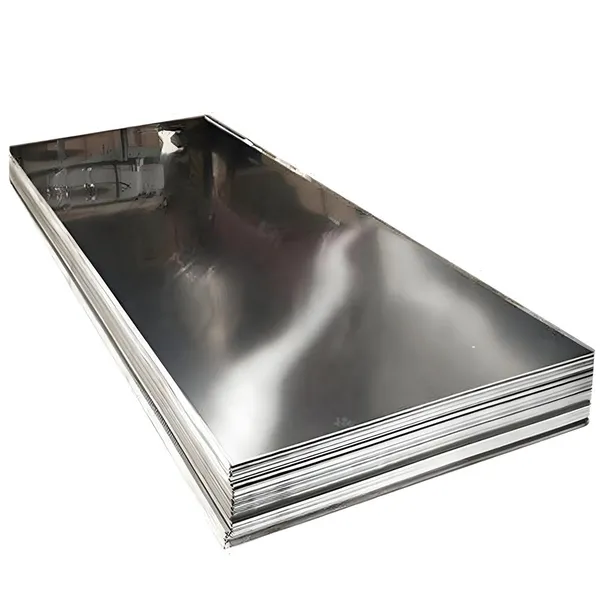
DIN 1.4541 Stainless Sheet 4mm Pickled Finish Pipeline Pressure System Industrial Fabrication MaterialUS$ 1.6 - 2.6MOQ: 100 Kilograms
-
EN X6CrNiTi18-10 Stainless Plate 5mm Heat Exchanger Corrosion Resistant Industrial Equipment UseUS$ 1.75 - 2.5MOQ: 100 Kilograms
-
Copper Bonded Ground Rod 14.2mm x 2400mm Steel Core Earth Rod ASTM Standard for Electrical Grounding SystemUS$ 5 - 25MOQ: 100 Kilograms
-
DIN 1.4307 Stainless Steel Plate 5mm Pickled Finish Chemical Reactor Pressure Vessel Fabrication UseUS$ 1.85 - 4.15MOQ: 100 Kilograms
-
ASTM A276 416 Free-Machining Round Bar Dia 8-60mm Sulfurized High-Speed Auto-ScrewUS$ 1.65 - 1.85MOQ: 100 Kilograms
-
Nickel Alloy Strip Coil Tube Mill Feedstock Inconel 625 Incoloy 825 Welded Tube Raw MaterialUS$ 20 - 70MOQ: 100 Kilograms
-
JIS SUS329J4L Duplex Round Bar 25-80mm Chloride-Proof GCC Coastal InfrastructureUS$ 5.9 - 6.4MOQ: 100 Kilograms
-
JIS SUS303Se Round Bar Dia 8-50mm Selenium-Free-Cutting Auto-Lathe Optical HousingUS$ 3.6 - 3.9MOQ: 100 Kilograms
-
ASTM A564 630 17-4PH Round Bar Dia 20-100mm Condition H1025 Injection Mould InsertUS$ 4.9 - 5.4MOQ: 100 Kilograms
-
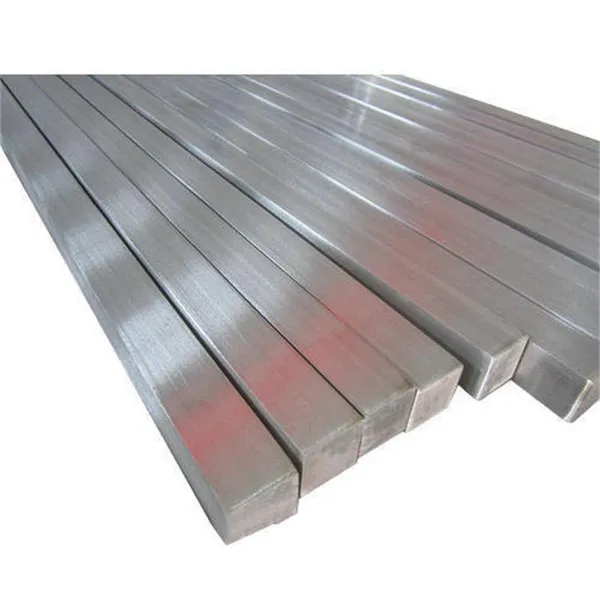
ASTM A276 304 Square Bar 6x6-100x100mm Cold Drawn Pickled Weld Frame ConstructionUS$ 1.65 - 2.85MOQ: 100 Kilograms
-
EN X2CrTi12 Stainless Plate 4mm Oxidation Resistant Vehicle Exhaust Industrial Fabrication UseUS$ 0.95 - 2.5MOQ: 100 Kilograms
-
Aluminium Round Tube Baby Crib Cot Bed Frame 6063 T5 Anodized Safety Diameter Wall Thickness FurnitureUS$ 2 - 5MOQ: 100 Kilograms
-
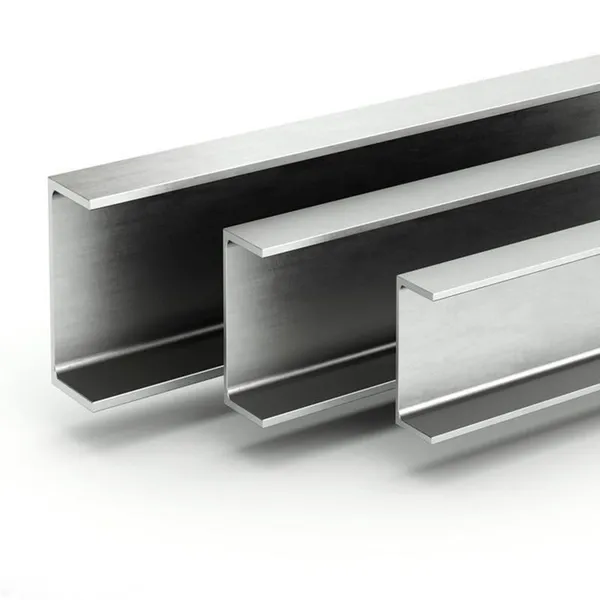
Welded Stainless Steel C Channel Bar 304 Grade Polished Surface for Architectural Decoration UseUS$ 1.65 - 2.85MOQ: 100 Kilograms
-
Round Aluminum Tubing Painting Easel Stand Leg 6063 T5 Anodized Lightweight Diameter Wall ThicknessUS$ 2 - 5MOQ: 100 Kilograms
-
Nickel Alloy Coil Strip Forging Billet Raw Material Inconel 718 Waspaloy Disc Forging StockUS$ 20 - 70MOQ: 100 Kilograms
-
Water Pump Motor Core Grade Non Oriented Silicon Steel Coil 50W470 Width 1000mm ASTM A683 StandardUS$ 0.5 - 1.5MOQ: 500 Kilograms
-
GOES Steel for Railway Electrification Transformer Networks 23Q110 High Efficiency Magnetic LaminationUS$ 0.5 - 4.5MOQ: 500 Kilograms
-
Silicon Steel for Wind Energy Power Conversion Transformers 30QG105 EN 10106 GOES Strip MaterialUS$ 0.5 - 4.5MOQ: 500 Kilograms