
 Business License

Buy 304 Stainless Steel Sheet: What to Check Before You Order
A production manager at a Polish food equipment factory placed an urgent order for 500 sheets of what the supplier called "304 stainless steel." The price was 8% below the next quote, and the trader promised delivery in 10 days. When the sheets arrived, the surface was covered in handling scratches, several pieces were outside the stated thickness tolerance, and the mill test certificate did not match the heat numbers stamped on the bundles. The line stayed idle for a week while the buyer sourced replacement material.
That experience is more common than it should be. When you buy 304 stainless steel sheet, the grade itself is only part of the decision. Finish, thickness tolerance, standard compliance, supplier authorization, and documentation all determine whether the material works in your application or becomes an expensive problem. In this guide, we will explain what to check before you place an order, how to verify that you are getting genuine 304, and how to choose a supplier that delivers consistent quality.
Wuxi Yansheng Technology supplies 304 and 316 stainless steel sheet from authorized Chinese mills, with optional slitting, leveling, polishing, and cut-to-length processing. If you want to skip ahead, you can request a quote with your grade, size, finish, and quantity.
Why Buyers Choose 304 Stainless Steel Sheet
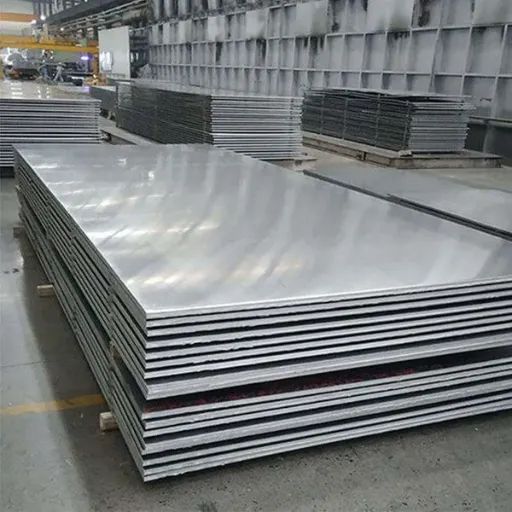
304 stainless steel sheet is the most widely used austenitic stainless steel in fabrication. Its balance of corrosion resistance, formability, weldability, and cost makes it the default choice for food equipment, architectural panels, tanks, appliances, and general industrial parts. The chromium content forms a passive oxide layer that resists rust in most atmospheric and freshwater environments, while the nickel content keeps the material tough and formable at low temperatures.
For buyers who do not need the extra chloride resistance of 316, 304 is usually the most economical stainless steel sheet that still meets long-term durability requirements. It is available in many thicknesses, widths, and finishes, so it fits both small custom jobs and high-volume production runs.
That flexibility also creates confusion. Not every sheet labeled 304 meets the same standard. Cold-rolled 2B finish sheet, bright annealed sheet, and hot-rolled No. 1 finish sheet all behave differently in forming and welding. Before you buy 304 stainless steel sheet, you need to match the product form to your process.
What "304" Actually Means on a Sheet Order
The term 304 refers to an austenitic stainless steel with roughly 18% chromium and 8% nickel. It is covered by standards such as ASTM A240, JIS G4305, EN 10088, and GB/T 3280. These standards define chemical composition ranges, mechanical properties, and dimensional tolerances. A sheet that simply looks like stainless steel is not the same as a sheet that meets a named standard.
304 vs 304L
304L is the low-carbon version of 304. It is preferred when the sheet will be welded and then exposed to temperatures that could cause sensitization. Lower carbon reduces the risk of chromium carbide precipitation at grain boundaries, which can lead to intergranular corrosion. If your parts include welded seams that will see heat or corrosive cleaning chemicals, ask for 304L rather than standard 304.
304 vs 316 Stainless Steel Sheet
Some applications need more corrosion resistance than 304 can provide. 316 stainless steel sheet contains 2-3% molybdenum, which improves resistance to chlorides and some acids. Coastal equipment, chemical tanks, and pharmaceutical systems often specify 316 or 316L. If you are unsure which grade fits your environment, our 304 vs 316 stainless steel guide breaks down the trade-offs in detail.
| Grade | Chromium | Nickel | Molybdenum | Best For |
|---|---|---|---|---|
| 304 | ~18% | ~8% | None | Food equipment, appliances, general fabrication |
| 304L | ~18% | ~8% | None | Welded parts and sensitizing service |
| 316 | ~16-18% | ~10-14% | 2-3% | Marine, chemical, and chloride exposure |
| 316L | ~16-18% | ~10-14% | 2-3% | Welded chemical and sanitary systems |
For most buyers, 304 stainless steel sheet is the right starting point. The key is to confirm that the material matches the standard and grade on your drawing or specification.
Surface Finishes: Picking the Right One
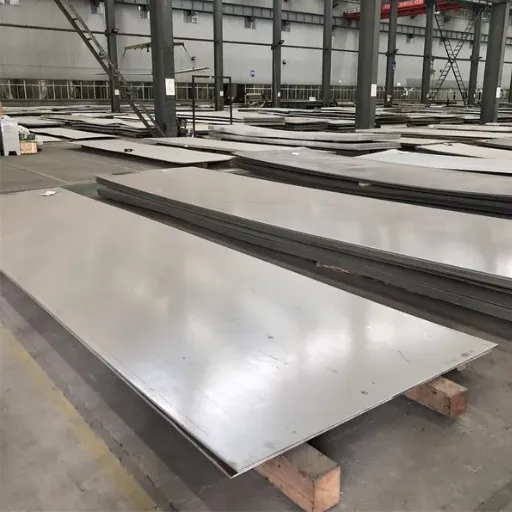
Finish is not just cosmetic. It affects cleanability, corrosion behavior, forming friction, and how easily the sheet can be polished or welded. When you buy 304 stainless steel sheet, always state the required finish on the purchase order.
2B Finish
2B is the standard cold-rolled mill finish. It is smooth, slightly reflective, and suitable for most fabrication, stamping, and welding. A 2B finish stainless steel sheet is the most common choice for tanks, panels, and machinery covers because it offers a good balance of cost and performance.
BA Finish
Bright annealed finish is produced in a controlled atmosphere furnace, leaving a highly reflective surface. It is often used for decorative panels, reflectors, and some sanitary applications. BA sheet is smoother than 2B, which can improve cleanability and reduce the need for additional polishing.
No. 4 Finish
No. 4 is a brushed finish with a directional grain. It hides fingerprints and minor scratches better than 2B or BA, so it is popular for elevator panels, kitchen equipment, and architectural trim. If you need a brushed look, specify No. 4 rather than trying to brush 2B sheet in your shop.
No. 1 Finish
No. 1 is a hot-rolled, annealed, and pickled finish. It is rougher and thicker than cold-rolled finishes and is typically used for industrial tanks, pressure vessels, and structural components where surface appearance is less critical.
| Finish | Appearance | Typical Use | Relative Cost |
|---|---|---|---|
| 2B | Smooth, slightly reflective | Fabrication, tanks, panels | Standard |
| BA | Highly reflective | Decorative, sanitary, reflectors | Moderate premium |
| No. 4 | Brushed, directional | Elevators, kitchen equipment, trim | Moderate premium |
| No. 1 | Dull, rough | Heavy industrial tanks, vessels | Lower |
A Brazilian appliance manufacturer once ordered 2B sheets for visible control panels because they were cheaper than No. 4. The panels showed every fingerprint and scratch after the first month in the field. Switching to No. 4 finish for the next batch eliminated customer complaints and removed an extra finishing step at the factory.
Thickness, Tolerance, and Sheet Size
Thickness directly affects strength, weight, weld preparation, and cost. Standard 304 stainless steel sheet thickness ranges from about 0.3 mm to 6.0 mm, though heavier gauges are often classified as plate. When you buy 304 stainless steel sheet, specify both the nominal thickness and the tolerance class you can accept.
Common Thickness Ranges
Thin gauge (0.3-1.0 mm): Used for panels, decorative parts, and light-duty fabrication
Medium gauge (1.0-3.0 mm): Common for tanks, machinery housings, and structural panels
Heavy gauge (3.0-6.0 mm): Used for thicker-walled tanks, wear plates, and structural components
Tolerance Matters
Commercial tolerance classes such as those in ASTM A240 allow small variations in thickness across the sheet. For precision stamping, laser cutting, or tight-fitting assemblies, you may need a closer tolerance. Always confirm the tolerance standard on the quote so you aren't comparing a standard-tolerance price with a precision-tolerance requirement.
Standard Sheet Sizes
Common widths include 1,000 mm, 1,219 mm, and 1,500 mm. Common lengths include 2,000 mm, 2,438 mm, and 3,000 mm, though custom lengths are available from processors. Buying standard sizes usually gives the best price and fastest delivery. If you need custom sizes, working with a stainless steel sheet supplier that has in-house cutting can reduce scrap and handling.
Standards and Certifications to Require
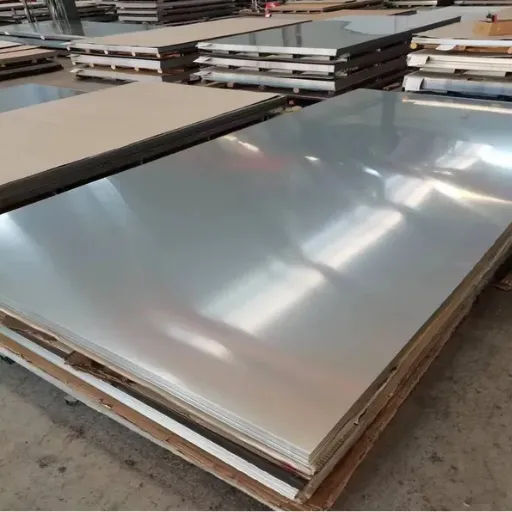
Certificates protect both quality and warranty. A professional supplier should be able to provide documentation before you order, not after the material arrives.
ASTM A240
ASTM A240 is the most common specification for chromium and chromium-nickel stainless steel sheet, plate, and strip. It covers chemical composition, mechanical properties, and dimensional tolerances for 304, 304L, 316, and 316L. When you buy 304 stainless steel sheet for export or industrial use, ASTM A240 compliance is the baseline. You can view the ASTM A240 standard for detailed requirements.
Mill Test Certificate (MTC)
The MTC should show the grade, heat number, chemical analysis, mechanical test results, mill name, and standard compliance. Check that the heat number on the certificate matches the marking on the sheet bundle or edge. Mismatched paperwork is one of the most common warning signs of relabeled or off-spec material.
Third-Party Inspection
For critical orders, arrange inspection by an independent agency such as SGS, BV, or TUV. Inspectors can verify dimensions, surface quality, packaging, and documentation before shipment. This step adds cost, but it is far cheaper than receiving a container of incorrect material.
Our quality assurance page explains how we verify certificates, dimensions, and surface condition before every shipment leaves Wuxi.
How to Choose a Reliable Stainless Steel Sheet Supplier
Not every company that advertises 304 sheet can deliver consistent material. The supplier type often matters as much as the price.
Authorized Mill Distributors
Authorized distributors buy directly from mills such as TISCO, Baosteel, JISCO, and Dongfang Special Steel. They can show mill authorization certificates, provide genuine mill test certificates, and maintain traceability from heat number to customer shipment. If you want to reduce sourcing risk, start with an authorized mill distributor.
Trading Companies
Trading companies source from multiple mills and processors. Some are reliable, but many have limited control over quality and documentation. They may mix batches, relabel material, or quote low prices on off-spec inventory. Always verify that the MTC matches the mill named in any authorization letter.
Mills Direct
Buying directly from a mill can give the lowest base price, but mills usually require large minimum orders and long lead times for non-standard sizes. For medium quantities or processed sizes, an authorized distributor with stock and cutting equipment is often more practical.
A Southeast Asian elevator contractor learned the difference the hard way. After two shipments from a trading company arrived with mixed surface finishes, he switched to an authorized distributor with direct mill relationships. Rejected sheets dropped from 4% to under 0.5%, and the cleaner documentation made customs clearance faster.
Processing Services That Add Value
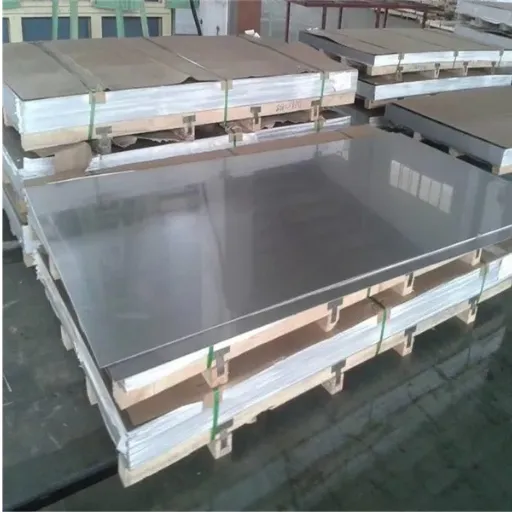
A sheet that arrives closer to your final size saves time, labor, and scrap. When you buy 304 stainless steel sheet, ask what processing services the supplier can provide.
Slitting and Cut-to-Length
Slitting turns master coils into narrower strips. Cut-to-length produces sheets in custom dimensions. These services are useful for stampers, panel builders, and appliance manufacturers that need exact widths or lengths.
Leveling and Flatness Correction
Leveling removes coil set and improves flatness. For laser cutting, robotic welding, or automated forming, flat sheets reduce setup time and improve part consistency.
Polishing and Surface Treatment
Polishing can produce No. 4, hairline, mirror, or other decorative finishes. Pickling and passivation restore the passive layer after processing, which improves corrosion resistance near cut edges or welded areas.
Wuxi Yansheng Technology operates a 10,000-square-meter processing center in Xishan District, Wuxi. We supply stainless steel sheet and coil in standard and custom sizes, with optional polishing and surface treatment. If your project needs processed sheet, request a custom quote and send us your specifications.
Cost Factors When You Buy 304 Stainless Steel Sheet
Price depends on more than the per-kilogram rate. Understanding the cost drivers helps you compare quotes fairly.
Material Cost Drivers
Base metal prices: Nickel and chromium prices fluctuate daily and affect 304 sheet costs
Thickness and width: Thinner gauges and wider sheets can carry premiums
Finish: BA, No. 4, and polished finishes cost more than 2B
Quantity: Larger quantities usually reduce the per-unit price
Standard and tolerance: Closer tolerances and special standards add cost
Total Cost of Ownership
Include freight, insurance, customs duties, inland transport, inspection, and downstream processing in your comparison. A sheet that arrives ready for production may cost more per kilogram but less overall.
A Turkish tank builder compared two quotes for 2 mm 304 2B sheet. The lower quote came from a distant trader with no cutting service. The higher quote came from a Wuxi-based supplier that delivered cut-to-size blanks. The buyer saved 12% on total project cost because scrap and handling time dropped sharply.
Common Mistakes to Avoid
Even experienced buyers make these errors when they buy 304 stainless steel sheet.
Accepting "304" without a named standard such as ASTM A240
Ignoring finish requirements and assuming 2B will work for visible parts
Ordering standard 304 for welded parts that need 304L
Skipping MTC verification against heat numbers
Choosing the lowest price without checking supplier authorization
Forgetting to add cutting, polishing, or logistics costs to the total price
Failing to specify tolerance class for precision parts
Each mistake can cause delays, rework, or field failures. The cheapest sheet is rarely the least expensive over the life of the project.
Sourcing 304 Stainless Steel Sheet from China
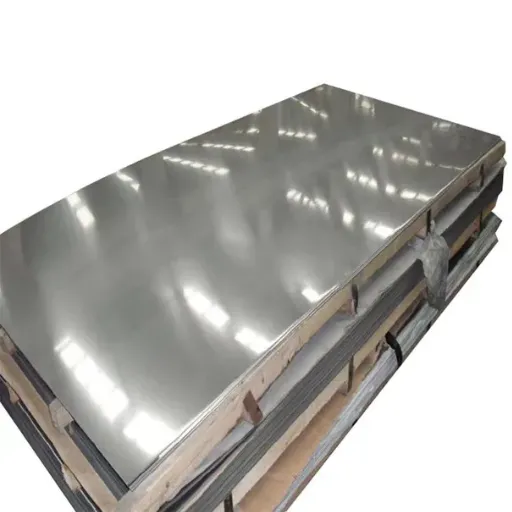
China produces the largest share of global stainless steel, and Wuxi is one of the country's main distribution and processing hubs. According to the World Steel Association, China accounts for more than half of global crude steel output. Sourcing from a Wuxi-based stainless steel sheet supplier puts you close to that production base and the processors that serve it.
Wuxi Yansheng Technology sources 304 stainless steel sheet through authorized partnerships with major Chinese mills. Our Wuxi location provides fast access to port logistics, warehousing, and export documentation support. Learn more about our authorized mill partnerships and how they protect material traceability.
Conclusion
When you buy 304 stainless steel sheet, the grade is only the starting point. You also need the right finish, thickness, tolerance, standard, and supplier authorization. Requesting the correct documentation up front and verifying it on arrival protects you from the most common sourcing problems.
Key takeaways:
Match the grade to the application; use 304L for welded parts and 316 for chloride exposure
Specify the finish on the order; 2B is standard, but BA or No. 4 may fit visible parts better
Require ASTM A240 compliance and a traceable mill test certificate
Compare total cost, including processing, freight, inspection, and customs
Work with an authorized distributor to reduce the risk of mixed or mislabeled material
Wuxi Yansheng Technology supplies certified 304 and 316 stainless steel sheet for buyers around the world. We support custom sizes, surface finishes, and export logistics from our Wuxi processing center.
Ready to buy 304 stainless steel sheet? Request a quote with your grade, thickness, finish, and quantity, and our team will confirm availability, pricing, and delivery options.
Recently Posted
-
Import Steel From China: A Complete Buyer's Guide
July 30, 2026A manufacturing buyer in Germany found a Chinese supplier offering carbon steel plate at an attractive price. The quote looked com Read More
 -
Steel Mill Authorized Distributor: What It Means and Why It Matters
July 30, 2026A procurement manager in Poland received a quote for 50 tons of 304 stainless steel coil. The price was 12% lower than any other o Read More
 -
China Stainless Steel Exporter: How to Source and Verify Grades
July 30, 2026A food processing equipment builder in Mexico needed 20 tons of 316L stainless steel sheet with a 2B finish. His local distributor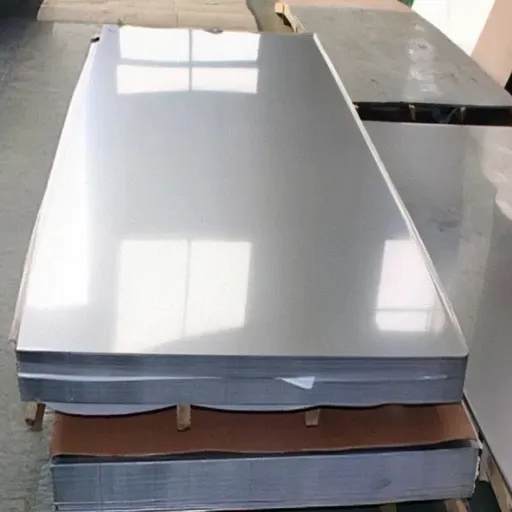 Read More
 -
How to Find a Reliable Chinese Steel Supplier: A Buyer's Checklist
July 30, 2026In 2024, a German machinery manufacturer signed a contract with a Chinese steel supplier that promised 30% savings on 316L stainle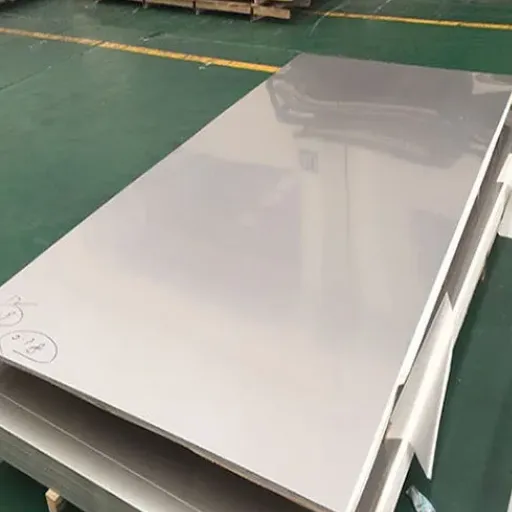 Read More

Contact Us
Recommended Products
-
 EN 1.4006 410 Round Bar 15-150mm Martensitic Annealed Steam Turbine Blade BlankUS$ 1.5 - 1.8MOQ: 100 Kilograms
 -
Gas Distribution Lines Require C12200 Hard Temper Copper Pipe With Corrosion ResistanceUS$ 10 - 25MOQ: 100 Kilograms
-
DIN 1.4541 Stainless Sheet 4mm Pickled Finish Pipeline Pressure System Industrial Fabrication MaterialUS$ 1.6 - 2.6MOQ: 100 Kilograms
-
EN X6CrNiTi18-10 Stainless Plate 5mm Heat Exchanger Corrosion Resistant Industrial Equipment UseUS$ 1.75 - 2.5MOQ: 100 Kilograms
-
Copper Bonded Ground Rod 14.2mm x 2400mm Steel Core Earth Rod ASTM Standard for Electrical Grounding SystemUS$ 5 - 25MOQ: 100 Kilograms
-
DIN 1.4307 Stainless Steel Plate 5mm Pickled Finish Chemical Reactor Pressure Vessel Fabrication UseUS$ 1.85 - 4.15MOQ: 100 Kilograms
-
ASTM A276 416 Free-Machining Round Bar Dia 8-60mm Sulfurized High-Speed Auto-ScrewUS$ 1.65 - 1.85MOQ: 100 Kilograms
-
Nickel Alloy Strip Coil Tube Mill Feedstock Inconel 625 Incoloy 825 Welded Tube Raw MaterialUS$ 20 - 70MOQ: 100 Kilograms
-
JIS SUS329J4L Duplex Round Bar 25-80mm Chloride-Proof GCC Coastal InfrastructureUS$ 5.9 - 6.4MOQ: 100 Kilograms
-
JIS SUS303Se Round Bar Dia 8-50mm Selenium-Free-Cutting Auto-Lathe Optical HousingUS$ 3.6 - 3.9MOQ: 100 Kilograms
-
ASTM A564 630 17-4PH Round Bar Dia 20-100mm Condition H1025 Injection Mould InsertUS$ 4.9 - 5.4MOQ: 100 Kilograms
-
ASTM A276 304 Square Bar 6x6-100x100mm Cold Drawn Pickled Weld Frame ConstructionUS$ 1.65 - 2.85MOQ: 100 Kilograms
-
EN X2CrTi12 Stainless Plate 4mm Oxidation Resistant Vehicle Exhaust Industrial Fabrication UseUS$ 0.95 - 2.5MOQ: 100 Kilograms
-
Aluminium Round Tube Baby Crib Cot Bed Frame 6063 T5 Anodized Safety Diameter Wall Thickness FurnitureUS$ 2 - 5MOQ: 100 Kilograms
-
Welded Stainless Steel C Channel Bar 304 Grade Polished Surface for Architectural Decoration UseUS$ 1.65 - 2.85MOQ: 100 Kilograms
-
Round Aluminum Tubing Painting Easel Stand Leg 6063 T5 Anodized Lightweight Diameter Wall ThicknessUS$ 2 - 5MOQ: 100 Kilograms
-
Nickel Alloy Coil Strip Forging Billet Raw Material Inconel 718 Waspaloy Disc Forging StockUS$ 20 - 70MOQ: 100 Kilograms
-
Water Pump Motor Core Grade Non Oriented Silicon Steel Coil 50W470 Width 1000mm ASTM A683 StandardUS$ 0.5 - 1.5MOQ: 500 Kilograms
-
GOES Steel for Railway Electrification Transformer Networks 23Q110 High Efficiency Magnetic LaminationUS$ 0.5 - 4.5MOQ: 500 Kilograms
-
Silicon Steel for Wind Energy Power Conversion Transformers 30QG105 EN 10106 GOES Strip MaterialUS$ 0.5 - 4.5MOQ: 500 Kilograms