
 Business License
Blog Categories

2B vs BA Stainless Steel Finish: How to Choose the Right Surface
A food equipment fabricator in Brazil ordered 304 stainless steel sheet with a 2B finish for a new line of commercial kitchen counters. The price was right, and the lead time was short. But when the counters were installed in a high-end restaurant, every scratch, fingerprint, and water spot showed under the lighting. The owner demanded a brighter, more reflective surface. The fabricator had to polish every sheet to a BA-like finish on site, adding three days of labor and erasing the material cost savings.
That mistake is common. The 2B vs BA stainless steel finish decision seems minor, but it affects appearance, corrosion resistance, cleanability, and total project cost. Both finishes start as cold-rolled stainless steel, yet they perform very differently in real applications. In this guide, we will explain what each finish is, how they compare, and when to choose one over the other.
Wuxi Yansheng Technology supplies 304, 316, and other grades with 2B, BA, No. 4, mirror, and EP finishes. If you already know the finish you need, you can request a quote with your grade, size, and quantity.
What Is 2B Finish Stainless Steel?
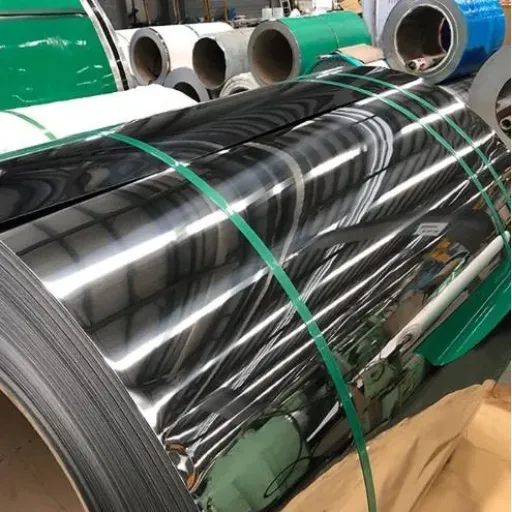
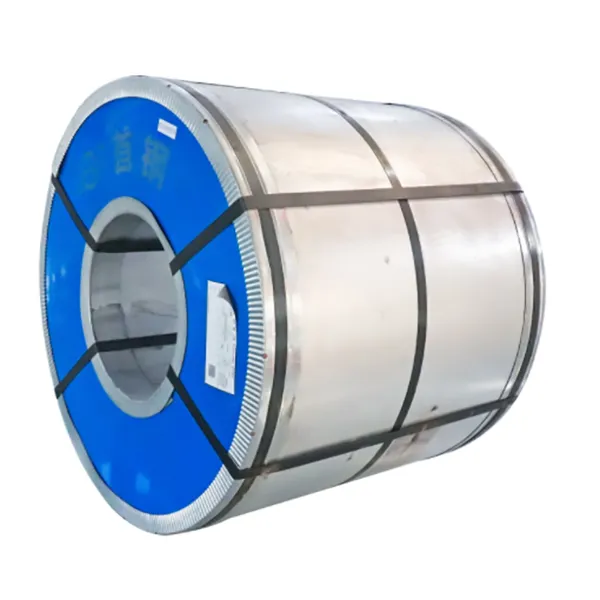
2B is the standard cold-rolled finish for stainless steel sheet and coil. It is smooth, slightly reflective, and produced by cold rolling, annealing, and pickling. The result is a uniform matte-gray surface that works well for industrial and fabrication applications.
The 2B finish stainless steel process creates a thin, passive oxide layer that gives the material good corrosion resistance. The surface is smooth enough for welding, forming, painting, and further polishing. It is also the most widely available and economical stainless steel sheet finish.
Typical Characteristics of 2B Finish
Smooth, uniform surface with a matte appearance
Slightly reflective but not mirror-like
Good corrosion resistance in normal environments
Excellent formability and weldability
Lower cost than BA, No. 4, or mirror finishes
Easy to clean but shows fingerprints and minor scratches
Common Applications for 2B Finish
2B finish stainless steel is the default choice for many industrial applications. It is commonly used for tanks, panels, machinery covers, ductwork, and parts that will be painted or further processed. Fabricators often specify 2B when surface appearance is less important than cost and workability.
What Is BA Finish Stainless Steel?
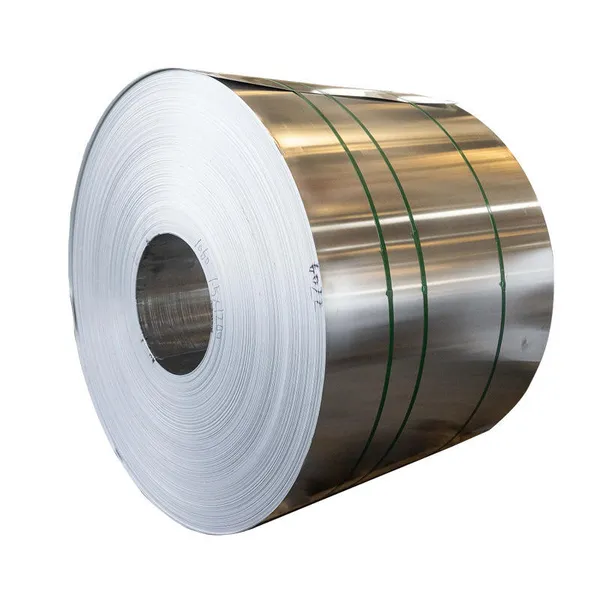
BA stands for Bright Annealed. BA finish stainless steel is produced in a controlled atmosphere furnace, which prevents oxidation during the annealing process. The surface stays bright, smooth, and highly reflective without needing additional polishing.
Because the surface is already smooth and chromium-rich, BA finish offers better corrosion resistance and cleanability than 2B in many environments. It is popular for decorative panels, kitchen equipment, reflectors, and sanitary applications where appearance and hygiene matter.
Typical Characteristics of BA Finish
Bright, highly reflective surface
Smoother and cleaner than 2B finish
Better corrosion resistance in mild environments
Easier to clean and sanitize
Moderately higher cost than 2B
Attractive appearance for visible parts
Common Applications for BA Finish
BA finish stainless steel is often used for decorative trim, appliance panels, kitchen equipment, pharmaceutical components, food processing equipment, and sanitary piping. It is also a good starting point for mirror finishes, since it requires less polishing to reach a high-luster surface.
For pipe and tube applications, our article on BA and EP finish stainless steel pipe explains how BA and EP finishes perform in sanitary systems.
2B vs BA Stainless Steel Finish: Side-by-Side Comparison
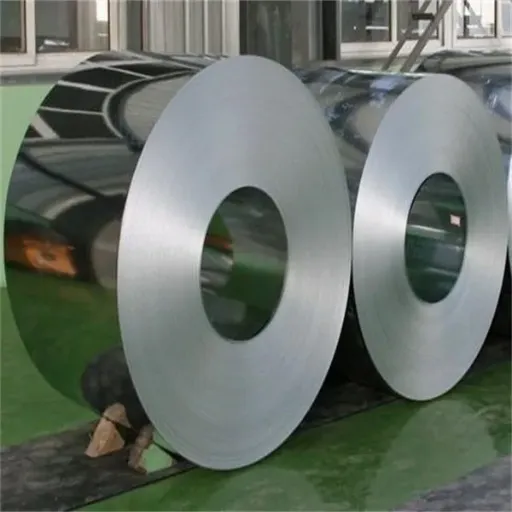
The best way to understand the 2B vs BA stainless steel finish difference is to compare them directly. The same grade of stainless steel can look and perform very differently depending on the surface finish.
| Property | 2B Finish | BA Finish |
|---|---|---|
| Appearance | Matte, slightly reflective | Bright, highly reflective |
| Surface Smoothness | Smooth | Very smooth |
| Reflectivity | Low to moderate | High |
| Corrosion Resistance | Good | Very good |
| Cleanability | Good | Very good |
| Cost | Lower | Moderate |
| Weldability | Excellent | Excellent |
| Formability | Excellent | Good |
| Common Grades | 304, 316, 430 | 304, 316, 430 |
| Typical Uses | Industrial tanks, panels, fabrication | Decorative, sanitary, food equipment |
A commercial kitchen equipment manufacturer in Turkey once specified 2B finish for visible refrigerator doors to reduce costs. After installation, the doors looked dull and showed every cleaning mark. The customer switched to BA finish for the next order. The doors looked brighter, stayed cleaner longer, and the customer accepted the small cost increase because maintenance labor dropped.
When to Choose 2B Finish Stainless Steel
2B finish is the right choice when function matters more than appearance. It is the workhorse finish of the stainless steel industry.
Industrial and Fabrication Applications
For tanks, ductwork, machinery covers, and structural components, 2B finish provides good corrosion protection at the lowest cost. It is also ideal when the material will be painted, coated, or further processed after delivery.
Cost-Sensitive Projects
When the surface will not be visible in the final product, 2B finish saves money without sacrificing performance. A manufacturer of industrial enclosures, for example, may use 2B finish on internal panels where no one sees the surface.
Welding and Forming Work
2B finish stainless steel forms and welds easily. It is a good starting point for parts that require stamping, bending, or welding before the final surface treatment is applied.
If your project needs 2B or BA finish sheet or coil, our stainless steel sheet and coil page lists the grades, sizes, and finishes we supply.
When to Choose BA Finish Stainless Steel
BA finish is the right choice when appearance, cleanability, or corrosion resistance is more important than lowest cost.
Visible and Decorative Applications
For elevator panels, architectural trim, appliance fronts, and decorative fixtures, BA finish provides a bright, attractive surface. It reflects light and gives products a premium appearance.
Food and Pharmaceutical Equipment
BA finish is easier to clean than 2B because the smoother surface has fewer places for bacteria, chemicals, or residues to accumulate. Food processing equipment, kitchen surfaces, and pharmaceutical components often specify BA finish for hygiene reasons.
Starting Point for Mirror Finishes
If the final specification requires a mirror or No. 8 finish, starting with BA finish reduces polishing time and cost. The surface is already smooth and reflective, so less material removal is needed to reach the final finish.
How Surface Finish Affects Corrosion Resistance
The surface finish is one of the most important variables in stainless steel corrosion performance. A rougher or more contaminated surface has more sites where chlorides, acids, or salts can concentrate and start corrosion.
2B vs BA for Corrosion Resistance
In the 2B vs BA stainless steel finish comparison, BA generally performs better in mildly corrosive environments. The bright annealing process produces a smoother, more chromium-rich passive layer. This helps the surface resist contamination and repair itself if the passive layer is damaged.
However, neither finish is as corrosion resistant as electropolished. For the most demanding environments, such as semiconductor or pharmaceutical ultra-pure systems, EP finish is the better choice.
Passivation and Pickling
Even the best finish can underperform if the surface is contaminated during fabrication. Welding, machining, and handling can introduce free iron and other contaminants. For critical applications, specify pickling and passivation after fabrication to restore the passive oxide layer.
Our custom processing services include polishing, pickling, and passivation to restore or upgrade finishes after fabrication.
Cost, Availability, and Processing Considerations
Cost is often the deciding factor in the 2B vs BA stainless steel finish choice. BA finish typically costs more than 2B because of the controlled atmosphere annealing process and the additional surface quality requirements.
Price Difference
The exact price gap depends on grade, thickness, quantity, and market conditions. In general, BA finish stainless steel costs 10-25% more than 2B for the same grade and thickness. For small decorative parts, the difference may be minor. For large industrial tanks, the cost gap can be significant.
Availability
2B finish is the most common mill finish and is widely available in stock. BA finish is also common but may have slightly longer lead times for non-standard sizes or grades. Always confirm availability and lead time when planning production schedules.
Post-Delivery Processing
Some buyers choose 2B finish and then polish or brush it to the desired appearance. This can work, but it adds labor, tooling, and handling costs. In some cases, ordering BA finish directly is more economical than upgrading 2B finish on site.
Common Mistakes When Choosing 2B vs BA Stainless Steel Finish
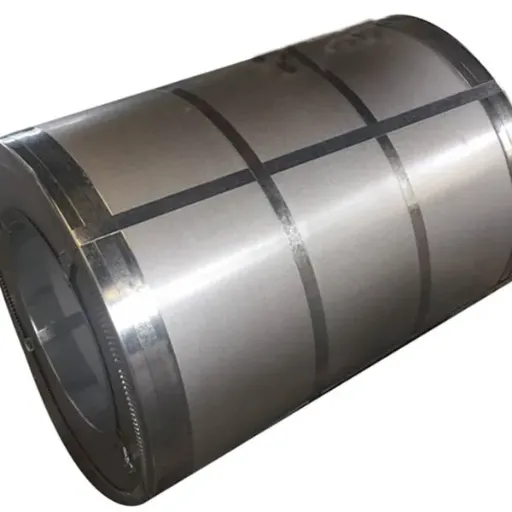
Even experienced buyers make these errors when specifying surface finish.
Choosing 2B for visible architectural work and expecting it to hide scratches
Specifying BA without considering the higher cost and handling requirements
Forgetting that welding changes the finish near the heat-affected zone
Skipping passivation after fabrication
Assuming all suppliers define 2B and BA the same way
Ignoring packaging requirements for sensitive BA surfaces
Selecting finish based only on appearance without considering cleanability or corrosion
A pressure vessel fabricator in India specified BA finish for a chemical tank exterior because the customer wanted a bright appearance. During installation, workers scratched several panels with tools and handling equipment. Because the tank was outdoors and exposed to coastal air, the scratches became starting points for surface staining. A 2B finish with protective film would have been more practical and easier to maintain.
Standards and Specifications
Finish designations vary by standard, so it is important to reference the correct specification when ordering.
ASTM A480
ASTM A480 covers general requirements for flat-rolled stainless steel plate, sheet, and strip. It includes finish designations for No. 1, 2D, 2B, and bright annealed finishes. When you order sheet or coil, reference ASTM A480 to ensure the supplier understands the finish you need. You can view the ASTM A480 standard for detailed requirements.
EN and JIS Standards
European EN 10088 and Japanese JIS G4305 also define finish classes. If your project follows a European or Japanese specification, confirm that the supplier can provide the matching surface condition. Our quality assurance team verifies standard compliance before shipment.
The International Stainless Steel Forum publishes general guidance on stainless steel finishes and applications that can help buyers understand the trade-offs.
How to Order 2B or BA Finish Stainless Steel
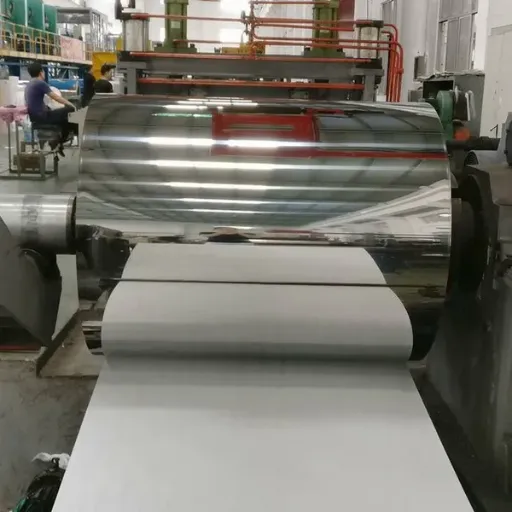
When requesting a quote, include the finish clearly in your specification. The more detail you provide, the easier it is to compare offers and avoid misunderstandings.
Information to Include
Grade (304, 316, 316L, 430, etc.)
Product form (sheet, coil, strip, pipe)
Thickness and dimensions
Finish (2B or BA)
Quantity
Standard or specification
Surface protection requirements
Delivery terms
If surface quality is critical, request a sample before placing a large order. This is especially important for visible BA finish work where appearance standards can be subjective.
Conclusion
The 2B vs BA stainless steel finish decision comes down to application, environment, budget, and appearance. 2B finish is the practical, cost-effective choice for industrial fabrication, tanks, and parts that will be painted or hidden. BA finish is the better choice for visible, decorative, sanitary, and food-grade applications where reflectivity and cleanability matter.
Key takeaways:
Use 2B finish for general fabrication and cost-sensitive industrial work
Choose BA finish when appearance, cleanability, or brightness matters
BA generally offers better corrosion resistance in mild environments
Neither finish is as corrosion resistant as electropolished for ultra-pure systems
Always specify pickling and passivation after welding or fabrication
Reference ASTM A480 or the relevant standard when ordering
Wuxi Yansheng Technology supplies 304, 316, and other stainless steel grades with 2B, BA, No. 4, mirror, and EP finishes. We support custom surface treatments, cut-to-size processing, and export documentation from our Wuxi processing center.
Need help choosing between 2B and BA finish? Request a quote with your grade, size, finish, and application, and our technical team will recommend the right option.
Recently Posted
-
4140 Alloy Steel Bar for Hydraulic Cylinder Rods: Induction Hardening, Chrome Plating & Fatigue Life
September 1, 2026A hydraulic cylinder manufacturer in Europe was dealing with a persistent warranty problem: piston rods on its medium-duty cylinde Read More
 -
Alloy Steel Bar Procurement Guide: Mill Test Certificates, Hardenability Testing & Traceability Requ
August 31, 2026A gear manufacturer in South America ordered 60 tons of 8620 bar for a run of transmission gears. The supplier delivered material Read More
 -
Steel Bar Surface Defects: Laps, Seams, Decarburization & Slag Inclusions — Detection Methods & Acce
August 28, 2026A fastener manufacturer in Eastern Europe received a batch of cold-heading quality wire rod and drew it into bolts without inspect Read More
 -
4140 Alloy Steel vs 1045 Carbon Steel Bar: Strength, Hardenability & When the Upgrade Pays Off
August 27, 2026A conveyor equipment builder in Southeast Asia switched a line of drive shafts from 1045 to a cheaper steel in an effort to trim m Read More

Contact Us
Recommended Products
-
 EN 1.4006 410 Round Bar 15-150mm Martensitic Annealed Steam Turbine Blade BlankUS$ 1.5 - 1.8MOQ: 100 Kilograms
 -
Gas Distribution Lines Require C12200 Hard Temper Copper Pipe With Corrosion ResistanceUS$ 10 - 25MOQ: 100 Kilograms
-
DIN 1.4541 Stainless Sheet 4mm Pickled Finish Pipeline Pressure System Industrial Fabrication MaterialUS$ 1.6 - 2.6MOQ: 100 Kilograms
-
EN X6CrNiTi18-10 Stainless Plate 5mm Heat Exchanger Corrosion Resistant Industrial Equipment UseUS$ 1.75 - 2.5MOQ: 100 Kilograms
-
Copper Bonded Ground Rod 14.2mm x 2400mm Steel Core Earth Rod ASTM Standard for Electrical Grounding SystemUS$ 5 - 25MOQ: 100 Kilograms
-
DIN 1.4307 Stainless Steel Plate 5mm Pickled Finish Chemical Reactor Pressure Vessel Fabrication UseUS$ 1.85 - 4.15MOQ: 100 Kilograms
-
ASTM A276 416 Free-Machining Round Bar Dia 8-60mm Sulfurized High-Speed Auto-ScrewUS$ 1.65 - 1.85MOQ: 100 Kilograms
-
Nickel Alloy Strip Coil Tube Mill Feedstock Inconel 625 Incoloy 825 Welded Tube Raw MaterialUS$ 20 - 70MOQ: 100 Kilograms
-
JIS SUS329J4L Duplex Round Bar 25-80mm Chloride-Proof GCC Coastal InfrastructureUS$ 5.9 - 6.4MOQ: 100 Kilograms
-
JIS SUS303Se Round Bar Dia 8-50mm Selenium-Free-Cutting Auto-Lathe Optical HousingUS$ 3.6 - 3.9MOQ: 100 Kilograms
-
ASTM A564 630 17-4PH Round Bar Dia 20-100mm Condition H1025 Injection Mould InsertUS$ 4.9 - 5.4MOQ: 100 Kilograms
-
ASTM A276 304 Square Bar 6x6-100x100mm Cold Drawn Pickled Weld Frame ConstructionUS$ 1.65 - 2.85MOQ: 100 Kilograms
-
EN X2CrTi12 Stainless Plate 4mm Oxidation Resistant Vehicle Exhaust Industrial Fabrication UseUS$ 0.95 - 2.5MOQ: 100 Kilograms
-
Aluminium Round Tube Baby Crib Cot Bed Frame 6063 T5 Anodized Safety Diameter Wall Thickness FurnitureUS$ 2 - 5MOQ: 100 Kilograms
-
Welded Stainless Steel C Channel Bar 304 Grade Polished Surface for Architectural Decoration UseUS$ 1.65 - 2.85MOQ: 100 Kilograms
-
Round Aluminum Tubing Painting Easel Stand Leg 6063 T5 Anodized Lightweight Diameter Wall ThicknessUS$ 2 - 5MOQ: 100 Kilograms
-
Nickel Alloy Coil Strip Forging Billet Raw Material Inconel 718 Waspaloy Disc Forging StockUS$ 20 - 70MOQ: 100 Kilograms
-
Water Pump Motor Core Grade Non Oriented Silicon Steel Coil 50W470 Width 1000mm ASTM A683 StandardUS$ 0.5 - 1.5MOQ: 500 Kilograms
-
GOES Steel for Railway Electrification Transformer Networks 23Q110 High Efficiency Magnetic LaminationUS$ 0.5 - 4.5MOQ: 500 Kilograms
-
Silicon Steel for Wind Energy Power Conversion Transformers 30QG105 EN 10106 GOES Strip MaterialUS$ 0.5 - 4.5MOQ: 500 Kilograms